

Key Takeaways - A commercial lease amendment is a legal document that changes specific terms of an existing commercial lease without replacing the entire agreement. - Both the landlord and tenant generally must agree to and sign a commercial lease amendment before it takes effect. - A commercial lease amendment is typically used for changes such as rent adjustments, extended terms, or updated use of the space, while an addendum generally adds new information instead of changing existing terms. - Most commercial lease amendments do not require notarization, though a signature from both parties is generally required to make the changes enforceable. - 360 Legal Forms provides an attorney-crafted, customizable commercial lease amendment template that can be downloaded instantly as a PDF or Word file.
A commercial lease amendment is a legal document that modifies specific terms of an existing commercial lease, such as rent, the lease term, or the permitted use of the space. Whether you are a landlord adjusting rent or a tenant requesting more time, this commercial lease amendment updates your agreement without requiring a brand new lease. 360 Legal Forms offers an attorney-crafted, state-specific commercial lease amendment template you can customize and download in minutes.
What Is a Commercial Lease Amendment?
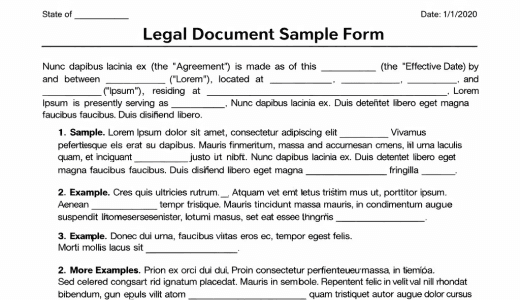
A commercial lease amendment is a legal document that allows a landlord and tenant to modify the terms of an existing commercial lease without creating an entirely new agreement. It is generally used when both parties agree to change one or more terms, such as rent, the lease term, or permitted use of the property.
In most cases, a commercial lease amendment references the original lease by date and identifies exactly which terms are changing. This differs from a landlord-tenant addendum, which generally adds new information or clarification rather than changing an existing term.
Other Names for a Commercial Lease Amendment
A commercial lease amendment may also be known by several other names, depending on the industry or the parties involved:
- Amendment of Commercial Lease
- Commercial Lease Amendment Agreement
- Lease Amendment
- Amendment to Lease
- Lease Amending Agreement
- Lease Modification Agreement
No matter which name applies to your situation, 360 Legal Forms generates an attorney-vetted commercial lease amendment customized to your state and your specific lease terms.
Ready to update your lease terms? Start your free commercial lease amendment at 360 Legal Forms and download it in minutes. Just pay applicable subscription fees.
Who Needs a Commercial Lease Amendment?
A commercial lease amendment is generally needed whenever a landlord and tenant both want to modify an existing lease.
Common situations include:
- Landlords adjusting rent: A landlord raising or lowering rent generally documents the change with a signed amendment rather than a verbal agreement.
- Tenants requesting more time: A tenant extending their lease term generally needs an amendment reflecting the new end date.
- Businesses changing how they use the space: A tenant expanding or changing their permitted use of the property generally needs the landlord's written consent through an amendment.
- Property managers updating multiple lease terms: Property managers handling changes to square footage, parking, or other lease details generally document each change with an amendment.
A commercial lease amendment is typically not needed when the parties want to make significant changes to the lease, such as switching tenants entirely or restructuring the rent formula. In those cases, drafting a new lease is often the more practical option.
Don't let a lease change go undocumented. Create your commercial lease amendment online today, no legal experience needed.
What Does a Commercial Lease Amendment Include?
A legally valid commercial lease amendment generally requires the following information. 360 Legal Forms ensures all fields are included in your customized template.
Almost ready? Create your commercial lease amendment now and download it as a PDF or Word file instantly. Just pay applicable subscription fees.
How to Fill Out a Commercial Lease Amendment (Step by Step)
1. Identify the Landlord and Tenant
Enter the full legal names and contact information for both the landlord and tenant. This information should match the original commercial lease exactly.
2. Reference the Original Lease
Include the date the original lease was signed and the property's full address. This ties the amendment to the correct lease agreement.
3. Note Any Prior Amendments
If the lease has been amended before, list the dates of those earlier amendments to keep a clear record of every change.
4. Describe the Specific Changes
Clearly state which terms are changing, such as rent, the lease term, or permitted use of the property. Vague language is generally harder to enforce if a dispute arises.
5. Set the Effective Date
Specify the date the new terms take effect, which may differ from the date the amendment is signed.
6. Review the Amended and Unchanged Terms
Confirm that any terms not mentioned in the amendment remain governed by the original lease, so both parties understand what has and has not changed.
7. Sign the Amendment
Both the landlord and tenant should sign the amendment. Some states generally recommend a witness, though notarization is typically not required.
8. Attach and Store With the Original Lease
Keep the signed amendment attached to the original lease so both documents are read together going forward.
Skip the paperwork guesswork. Build your commercial lease amendment with 360 Legal Forms' guided questionnaire in minutes.
How to Create a Commercial Lease Amendment With 360 Legal Forms
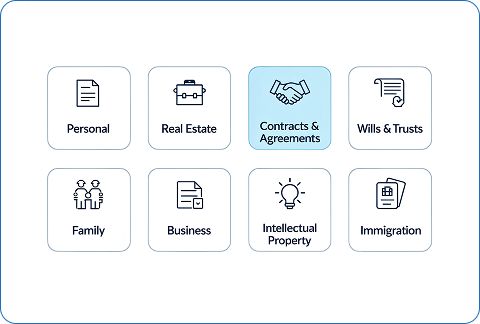
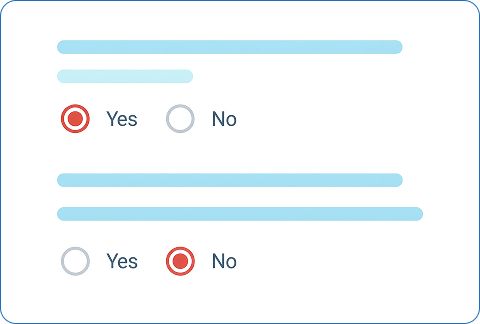
Creating a commercial lease amendment with 360 Legal Forms starts with a short, guided questionnaire that walks you through each required field. Once you answer the questions, your customized amendment is generated automatically and ready to download as a PDF or Word file. Just pay applicable subscription fees to access your finished document.
What Information Will I Need to Create My Commercial Lease Amendment?
- Landlord and tenant details
- Original lease date
- Previous amendment dates, if applicable
- Effective date
- Specific amendments
- Property address
Commercial Lease Amendment Terms
- Addendum: A document that adds new information or clarification to a lease without changing existing terms.
- Landlord: The property owner who leases space to a tenant.
- Tenant: The party who leases and occupies the commercial space.
- Counterparts: Identical copies of a document signed separately by each party but treated as one agreement.
- Permission: Written consent from one party allowing the other to take a specific action under the lease.
Commercial Lease Amendment Signing Requirements
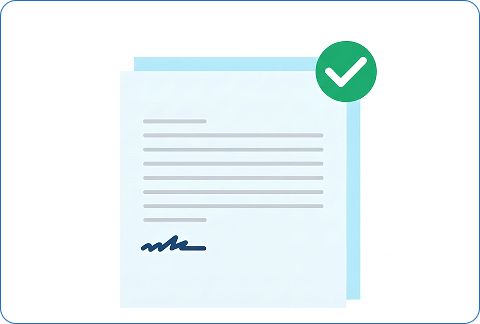
A commercial lease amendment generally requires only the signatures of both the landlord and the tenant. Notarization or the presence of a witness is typically not required, though some parties choose it for an added layer of proof. Check your state's requirements before finalizing your amendment.
Fill in your details once, and let 360 Legal Forms handle the formatting and legal language for you.
Why a Commercial Lease Amendment Matters
A commercial lease amendment does more than update a date on a document. It generally protects both the landlord and tenant with a clear, written record.
- It keeps the lease enforceable. Changes made verbally are generally much harder to enforce than terms documented in a signed amendment.
- It avoids the cost of a new lease. An amendment is generally faster and simpler than drafting an entirely new commercial lease for a handful of changed terms.
- It reduces the risk of disputes. A written amendment gives both parties a clear reference point if a disagreement arises about what was actually agreed to.
- It preserves the rest of the original lease. Because an amendment only changes specific terms, the remaining provisions of the original lease generally continue to apply as written.
Don't leave a lease change undocumented. Create a legally valid commercial lease amendment at 360 Legal Forms, free to start. Just pay applicable subscription fees to download your completed document.
What to Do With Your Commercial Lease Amendment
Once your commercial lease amendment is signed, follow these steps:
- Attach it to the original lease. Keep the signed amendment with the original lease so that both documents can be read together.
- Distribute copies. Provide a signed copy to the tenant and keep one in the landlord's records.
- Update your records. Reflect the new terms in any rent roll, accounting system, or property management software.
- Reference it in future amendments. If you amend the lease again later, list this amendment's date to keep a clear history of all changes.
Why Use 360 Legal Forms for Commercial Lease Amendment?
Customized for you, by you
Create your own documents with our easy-to-understand questionnaires to get exactly what you need out of your Commercial Lease Amendment.
Specific to Your Jurisdiction
Laws vary by location. Each document on 360 Legal Forms is customized for your state.
Fast and easy
All you have to do is fill out a simple questionnaire, print, and sign. No printer? No worries. You and other parties can even sign online.
Conclusion
A commercial lease amendment is one of the simplest ways to update an existing lease without starting over. Whether you are adjusting rent, extending the term, or changing how the space is used, having a signed, enforceable amendment protects both the landlord and tenant. Create your free commercial lease amendment at 360 Legal Forms and download it as a PDF or Word file instantly. Just pay applicable subscription fees.
360 Legal Forms is not a law firm and does not provide legal advice. The information provided is for general informational purposes only. Consult a licensed attorney for advice specific to your situation.