

KEY TAKEAWAYS 1. A Notice of Termination formally ends a tenancy by a set deadline 2. Advance notice is generally required (the required period varies by state and lease type) 3. The notice does not immediately remove the tenant from the property 4. Incomplete or improperly delivered notices may be unenforceable 5. Using a structured, attorney-vetted template protects the landlord throughout the process
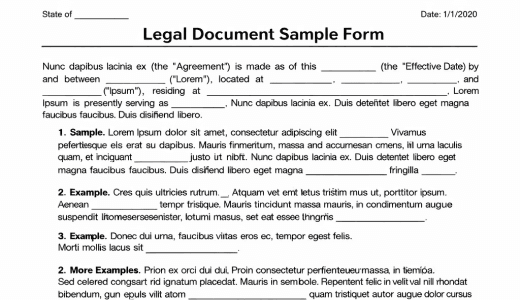
A Notice of Termination by Landlord is a formal document used to inform a tenant that their tenancy will end on a specific date. This notice is typically used when a landlord decides not to renew a lease or wants to end a rental agreement for any permitted reason.
IMPORTANT: The notice does not immediately remove the tenant, it provides advance notice so the tenant has sufficient time to vacate the property.
What Is a Notice of Termination by Landlord?
As a residential lease approaches its end, a landlord may choose to renew the lease or terminate it. If terminating, the landlord sends a Notice of Termination.
This document informs the tenant that the tenancy will end on a specific date and provides a deadline by which the tenant must vacate the property.
For month-to-month leases, landlords commonly provide around 30 days' notice, while fixed-term leases may require longer notice depending on state laws.
IMPORTANT: Some states may require extended notice periods, such as 60 or 90 days, depending on tenancy type and local regulations.
What Does a Landlord's Notice of Termination Actually Mean?
A landlord's notice of termination generally means the lease will not be renewed or that the tenancy will end on a specific date. It gives tenants time to prepare, relocate, and comply with lease obligations — such as cleaning the unit or scheduling a move-out inspection — before the final deadline.
Other Names for This Document
- Early Lease Termination Letter
- Notice to End Tenancy
- Termination Notice
Who Needs a Notice of Termination by Landlord?
Landlords who want to end a lease agreement or regain possession of their rental property typically use this notice. It is commonly used when:
- A lease is expiring and will not be renewed
- A landlord wants to end a month-to-month tenancy
- A property is being repurposed, sold, or renovated
Can a Landlord Terminate a Lease Without Notice?
In most cases, landlords are generally required to provide advance notice before terminating a lease. Failing to do so may make the termination unenforceable.
However, exceptions may exist in situations involving:
- Serious lease violations by the tenant
- Nonpayment of rent (which typically requires a separate notice)
- Illegal activity on the property
IMPORTANT: Notice requirements vary significantly by state, and failing to provide proper notice may affect the enforceability of the termination.
Are There Situations Where Notice Is Not Required?
In rare circumstances — such as an immediate threat to the property or other occupants — some states may allow expedited action. However, in most standard residential tenancy situations, a written notice is required. When in doubt, providing proper notice is always the safer approach for landlords.
Is Notice Always Required?
In most situations, yes. Nearly all states require landlords to provide written notice before terminating a tenancy. The specific timeframe and format vary, but the requirement to notify tenants in writing is generally standard across most jurisdictions.
Legal Requirements for a Landlord's Termination Notice
Landlords must generally:
- Provide the proper notice period required by state law
- Use clear written communication that identifies the parties and the property
- Follow approved delivery methods (in person, certified mail, posted notice, etc.)
- Comply with all applicable state and local landlord-tenant laws
IMPORTANT: Failure to meet legal requirements may invalidate the notice, requiring the process to restart.
How Long Do Tenants Have to Respond?
The response period depends on state law, the type of lease (month-to-month versus fixed-term), and the reason for termination. In many cases, tenants must vacate by the deadline stated in the notice unless other arrangements are agreed upon in writing. Some states provide tenants with the right to cure certain violations within a specified period.
How Is the Notice Usually Delivered?
In many states, a Notice of Termination may be delivered in person, sent by certified mail, or posted on the property in a visible location, depending on state law. Landlords should always keep proof of delivery — such as a certified mail receipt or a signed acknowledgment — for their records.
What Must a Notice of Termination Include?
A notice of termination generally includes:
- Landlord and tenant full names and contact information
- Rental property address
- Current lease dates and lease type
- Specific termination date (the deadline to vacate)
- Reason for termination, if applicable or required by state law
- Instructions for vacating, returning keys, and scheduling a move-out inspection
IMPORTANT: Incomplete notices may cause delays, legal challenges, or disputes that extend the process significantly.
What Information Will I Need to Create My Notice?
To create your document, you will generally need:
- Landlord information (name, address, contact details)
- Tenant information (full name, rental address)
- Lease start and end dates
- Reason for termination (if required in your state)
- Move-out inspection date and vacate deadline
- Landlord signature
How to Respond to a Landlord's Notice of Termination
Tenants who receive a Notice of Termination have several options depending on the circumstances:
- Accept the notice and begin preparing to move by the deadline
- Request written clarification from the landlord if the reason is unclear
- Negotiate a move-out date if additional time is needed
- Seek legal advice from a local tenant rights organization if the notice appears invalid
Can Tenants Challenge a Notice of Termination?
In some cases, yes. Tenants may challenge a notice if it was not delivered properly, if the required notice period was not met, or if the stated reason does not comply with local landlord-tenant laws. This is why landlords benefit greatly from using a properly structured, attorney-vetted template — a well-prepared notice is far more difficult to successfully dispute.
Why Use 360 Legal Forms for Your Notice of Termination?
Customized for You, By You
Answer a simple questionnaire to generate a document tailored to your specific situation — including the type of lease, the reason for termination, and your state's required notice period.
Designed to Work Across All 50 States
Each document can be customized based on your state's legal requirements, including mandated timelines and required language for proper termination notices.
IMPORTANT: Using a state-appropriate notice helps ensure compliance with local landlord-tenant laws and reduces the risk of an invalid termination.
Fast and Straightforward
Create, download, and sign your document instantly. Vinny found the service very useful, noting that the support team was particularly helpful — a common experience for landlords navigating the termination process for the first time.
How to Create Your Notice in Minutes
When creating your notice, it is important to follow local landlord-tenant laws. Using a guided template helps ensure all required details are included. Simply answer a few questions and download your document instantly — no legal experience needed.
Conclusion
A Notice of Termination by Landlord is a critical document that formally closes a tenancy in a way that protects both parties. Getting the details right from the required notice period to the correct delivery method is what separates an enforceable notice from one that can be challenged and delayed.
Advance notice is generally required in most states, and proper documentation is your best protection if a dispute arises. Tenants deserve fair warning, and landlords deserve a clear, reliable process.
Start your free Notice of Termination by Landlord. 360 Legal Forms provides attorney-vetted landlord-tenant documents that work across all 50 states — straightforward, secure, and built for landlords who want to do things right.
BIBLIOGRAPHY & CITED SOURCES
LEGAL DISCLAIMER: 360 Legal Forms is not a law firm and does not provide legal advice. The information provided is for general informational purposes only. Consult a licensed attorney for advice specific to your situation.