

Key Takeaways - A corporate resolution is a written record of a significant decision made by a corporation's board of directors or shareholders - it creates an official, binding record of corporate action. - Both corporations (C-Corps and S-Corps) and LLCs generally need corporate resolutions to document major decisions and protect the liability shield between owners and the business entity. - Corporate resolution signing authority determines who is legally authorized to sign on behalf of the company - typically the board chairperson, secretary, or authorized officers. - A certificate of corporate resolution is a certified copy of the resolution that third parties - such as banks, lenders, and government agencies - commonly request before approving major transactions. - Create your corporate resolution form at 360 Legal Forms - attorney-vetted, customizable for all 50 states, and downloadable as a PDF or Word file. Just pay applicable subscription fees.
A corporate resolution is a formal written document that records a significant decision made by a corporation's board of directors or shareholders. It is the official record that a company had proper authority to take a major action - whether opening a bank account, authorizing a loan, appointing an officer, or entering a significant business arrangement.
Whether you run a small corporation, an S-Corp, or an LLC, this form ensures every major business decision is properly documented and legally defensible. No legal experience is needed to create one - 360 Legal Forms guides you through every step.
What Is a Corporate Resolution?
A corporate resolution is a binding document that records an important decision made at a formal meeting of a corporation's board of directors or shareholders. It serves as the official paper trail confirming the company acted within its authority - and that its decision-makers were properly involved.
By law, most corporations are generally required to maintain records of significant decisions through business compliance documents, including corporate resolutions. These records support the company's legal standing as a separate entity from its owners, which is the foundation of limited liability protection.
Common decisions documented in a corporate resolution include:
- Opening or closing a corporate bank account
- Authorizing an officer to sign documents or take out a loan
- Voting in a new board member or corporate officer
- Approving a merger, acquisition, or major real estate purchase
- Issuing shares of stock
- Adopting large marketing campaigns or entering major business arrangements
- Setting up a new business location
A corporate resolution is typically not required for routine, day-to-day business operations - only for decisions significant enough to require formal board or shareholder approval.
Ready to document your company's decisions? Start your free corporate resolution form at 360 Legal Forms - takes just minutes to complete. Just pay the applicable subscription fees.
Corporate Resolution vs. Meeting Minutes
These two documents work together but serve different purposes. Meeting minutes are a written record of everything discussed during a formal meeting, including the agenda, attendance, discussion points, and actions taken. A corporate resolution is the official record of the specific decision that resulted from that meeting.
Think of meeting minutes as the transcript of the meeting and the corporate resolution as the binding outcome. Both documents are generally filed together in the corporation's Meeting Minutes record and minute book.
Other Names for a Corporate Resolution
Depending on your state or institution, a corporate resolution may also be known as:
- Corporate Board Resolution
- Board Resolution
- Certificate of Corporate Resolution
- Board of Directors Resolution
- Directors' Resolution
- Corporate Resolution Certification
- Certified Corporate Resolution
- LLC Resolution (for limited liability companies)
- Business Corporate Resolution
No matter what it is called in your state, 360 Legal Forms generates the correct, attorney-vetted version automatically based on your location.
Who Needs a Corporate Resolution?
A corporate resolution is generally required whenever a corporation or LLC makes a major decision that affects the structure, finances, or authority of the business. Common situations include:
- C-Corporations and S-Corporations - Most corporations are generally required by state law and their own corporate bylaws to document major decisions through formal resolutions. For more on how C-Corps and S-Corps differ, the IRS provides helpful guidance.
- LLCs - While LLCs operate differently from corporations, they often use LLC resolutions to document major decisions made by managing members.
- Business owners seeking financing - Banks and lenders typically require a corporate resolution - or a certificate of corporate resolution - before approving loans, credit lines, or new accounts.
- Companies undergoing ownership changes, transferring ownership, issuing shares, or entering a merger, generally require a formal resolution to establish proper authority.
- Any company subject to IRS audit - The IRS may request a corporation's full record of resolutions to verify that major financial decisions were properly authorized.
- A corporate resolution is typically not needed for day-to-day operational decisions - only for significant actions that require formal board or shareholder authorization.
What Does a Corporate Resolution Include?
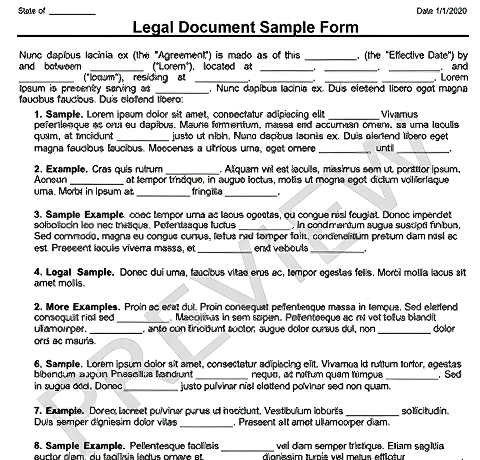
A legally valid corporate resolution form generally includes the following fields. 360 Legal Forms ensures all required fields are present in your customized template.
How to Fill Out a Corporate Resolution (Step by Step)
1. Gather Company Information
Before completing the form, collect your company's full legal name, state of incorporation, and the names and titles of all board members and authorized officers. Having this information on hand ensures accuracy throughout the document.
2. Write the Resolution Statement
Draft the specific decision in clear, precise language. The resolution statement is the most critical part of the document - the board's exact wording must be preserved. A common example:
"It is resolved that [Name of Bank] is authorized to establish a bank account in the name of [Company Name], and that [Authorized Person] is hereby authorized to sign on behalf of the company."
You may include multiple resolution statements in a single corporate resolution form if multiple decisions were made at the same meeting.
3. Record the Date, Time, and Location
Include the full date, time, and address where the resolution was adopted. This creates a complete, verifiable record of when the decision was formally made.
4. Establish Corporate Resolution Signing Authority
Identify who is authorized to sign and act on the resolution - typically the board chairperson, corporate secretary, or designated officers. This signing authority section is often the information that banks and lenders review most closely before approving transactions.
5. Confirm the Quorum
List all board members present and confirm that a quorum - the minimum number of members required to make a decision valid - was met. Check your corporate bylaws for the specific quorum requirement.
6. Collect Signatures
The board chairperson or managing director generally signs the original copy of the corporate resolution. In some cases, all directors may also sign. The corporate secretary should also sign the Certificate of Secretary, which certifies the record as true and accurate.
7. Notarize if Required
Notarization is generally not required for internal corporate resolutions. However, it is highly recommended - and sometimes required - when submitting to a financial institution, government agency, or as part of a loan application. Notarization confirms the identities of the signers and adds a layer of legitimacy to the document. Check your state's requirements before finalizing.
8. File in the Corporate Minute Book
Once signed, file the original resolution alongside all other resolutions and formal records in the corporation's minute book. For international transactions or regulatory reviews, also prepare a certificate of corporate resolution (see below).
Skip the guesswork - create your corporate resolution form at 360 Legal Forms and get a complete, attorney-vetted document in minutes. Just pay applicable subscription fees.
How to Create a Corporate Resolution with 360 Legal Forms
Creating a corporate resolution through 360 Legal Forms is straightforward. Answer our guided questionnaire, and the system builds your customized corporate resolution document - no legal experience needed.
Once complete, download your form instantly as a PDF or Word file from your secure online account. Pam Rogers, a verified 360 Legal Forms customer, noted that the forms are easy to use and the support is there when you need it.
What Information Will I Need to Create My Corporate Resolution?
- Full legal name of the corporation or LLC
- State of incorporation
- Date and address where the resolution was adopted
- Title of the resolution (usually a brief description of the decision)
- The resolution statement(s) - the specific decision(s) made
- Names and titles of authorized signatories (signing authority)
- Names of all board members who adopted the resolution
- Corporate secretary's name and signature
Corporate Resolution Terms
- Board of Directors: A group of individuals elected by shareholders to oversee the corporation's major decisions and policies.
- Shareholder: A person or entity that owns shares in a corporation.
- Meeting Minutes: A written record of all actions taken and topics discussed during a corporation's formal meeting. Learn more about Meeting Minutes.
- Quorum: The minimum number of board members who must be present for a decision to be legally valid - defined in the corporate bylaws.
- Minute Book: The official record book where a corporation stores all resolutions, meeting minutes, and formal corporate documents.
- Fiduciary Duty: The legal obligation of board members and officers to act in the best interests of the corporation and its shareholders.
- Certificate of Corporate Resolution: A certified copy of a resolution, typically provided to banks, lenders, or government agencies as proof of authority.
- LLC Resolution: The equivalent of a corporate resolution for a limited liability company - approved by the managing members rather than a board of directors.
Corporate Resolution Signing Requirements
In most cases, the board chairperson or managing director signs the original corporate resolution. The corporate secretary also signs to certify the record as accurate. Notarization is generally not required for internal use, but is typically recommended - and sometimes required - when submitting the document to a bank, lender, or government agency. Always check your state's requirements and confirm with the requesting institution before finalizing.
If you are the sole-custody director or a sole officer of a small corporation, you may sign alone - but documenting the full authorization process is still recommended to protect your liability shield.
What to Do With Your Corporate Resolution
Once your corporate resolution is signed, follow these steps:
- File it in the minute book. Store the original alongside all other resolutions and formal records. A well-maintained minute book is your first line of defense during an IRS audit or legal challenge.
- Distribute copies to authorized parties. Provide copies to any officers named in the resolution and, if applicable, to the bank, lender, or government agency requesting proof of authority.
- Attach a Certificate of Corporate Resolution if required. For banking transactions, loans, or regulatory submissions, a certified copy of the resolution is often required. See the next section.
- Confirm no state filing is needed. A corporate resolution is generally an internal document and does not need to be filed with a state authority. However, state or federal agencies may request copies for review. Explore our full attorney-vetted document library for related forms.
Why Use 360 Legal Forms for Your Corporate Resolution?
Easy legal documents at your fingertips
Our guided questionnaire walks you through every field - company name, resolution statement, signing authority, board member details, and more. You get a complete corporate resolution document that reflects your exact situation, not a generic one-size-fits-all printout.
Easily customized
Create unlimited corporate resolutions and revisions, download as a PDF or Word file, and sign online - all from your secure 360 Legal Forms account. Vinny, a verified 360 Legal Forms customer, found the service very useful and praised the support team for helping him through the process.
Applicable to all 50 states
Every corporate resolution form template on 360 Legal Forms is reviewed by experienced attorneys and designed to work across all 50 states. Whether you're forming an S-Corp in Texas or an LLC in California, your document is built to fit your jurisdiction.
Conclusion
A corporate resolution is one of the most important tools for protecting your business. It documents that major decisions were made with proper authority, keeps your liability shield intact, and gives banks, lenders, and government agencies the proof they need to act on your behalf.
Whether you need a standard corporate resolution, an LLC resolution, or a certificate of corporate resolution, 360 Legal Forms makes the process straightforward. Create your free corporate resolution form at 360 Legal Forms - download as a PDF or Word file instantly. Just pay applicable subscription fees.
360 Legal Forms is not a law firm and does not provide legal advice. The information provided is for general informational purposes only. Consult a licensed attorney for advice specific to your situation.
Bibliography