

KEY TAKEAWAYS ✓ A Notice to Pay Rent or Quit is typically the first step before eviction begins ✓ It gives tenants a defined window to pay the overdue rent or vacate ✓ Requirements, deadlines, and wording vary by state — accuracy and delivery are critical ✓ Using a guided, attorney-vetted template reduces costly errors ✓ The notice does not remove the tenant immediately
A Notice to Pay Rent or Quit is a landlord's written warning to a tenant about overdue rent. It typically gives the tenant a limited time to either pay the outstanding rent or vacate the rental property.
The landlord-tenant relationship is essential for both parties involved in a lease agreement. There are many situations where a tenant might fall behind on rent, such as unexpected financial hardship, illness, or travel.
In most cases, landlords prefer a clear and documented solution. A Notice to Pay Rent or Quit helps create a formal record before taking further legal steps.
IMPORTANT: This notice is typically the first step before starting an eviction process, but it does not remove the tenant immediately.
What Is a Notice to Pay Rent or Quit?
Landlords who issue a Notice to Pay Rent or Quit often align their procedures with guidance from federal agencies, such as HUD’s resident‑rights guidance.
It allows the tenant a specific amount of time to pay the rent owed. If the tenant does not comply within that time frame, the landlord may proceed with the next step in the eviction process.
The notice also helps demonstrate that the landlord followed proper procedures, which is important if the matter escalates.
IMPORTANT: The deadline and required wording can vary depending on state and local laws.
How Does It Differ From an Eviction Notice?
An eviction notice is a court-initiated legal process to remove a tenant. A Notice to Pay Rent or Quit is a pre-eviction warning that gives the tenant a chance to resolve the issue first. In many states, this notice is generally required before a landlord can file for eviction.
Other Names for This Document
- Notice to Pay Rent or Vacate
- Late Rent Notice
- Notice to Pay Rent
- Demand for Past Due Rent
- Demand for Payment of Rent
Who Needs a Notice to Pay Rent or Quit?
Even in situations where a landlord may have the right to terminate tenancy quickly, a Notice to Pay Rent or Quit is often used as a practical and documented approach.
Eviction proceedings can become complex, and many landlords prefer to resolve the issue by giving tenants a final opportunity to pay.
IMPORTANT: This notice helps reduce disputes by clearly stating what is owed and what happens next.
Landlord Situations That Call for This Notice
Landlords generally use this notice when rent is overdue beyond any grace period, the lease requires timely payment, and the tenant has not responded to informal reminders. In many states, this notice is typically required before a landlord can proceed with an eviction for nonpayment of rent.
Why Does Documentation Matter Before Escalating?
Documentation matters because it establishes a clear paper trail showing the landlord followed proper procedures. Without a formal record, courts may not accept an eviction filing. A Notice to Pay Rent or Quit creates enforceable proof that the tenant was given a fair opportunity to pay.
When Should You Use a Notice to Pay Rent or Quit?
Use a Notice to Pay Rent or Quit when rent is past the due date, any agreed‑upon grace period has expired, and the tenant has not resolved the shortfall after reminders. This notice gives the tenant a final opportunity to pay or vacate before the landlord may pursue court‑based eviction, as allowed by applicable landlord‑tenant laws in most states.”
Situations That Typically Trigger This Notice
The most common triggers include missed rent payments, partial payments that leave a balance, and tenants who have stopped communicating about overdue amounts. Landlords managing one to five rental units especially benefit from having a documented process for these situations.
Does It Apply to Month-to-Month Leases Too?
Yes, in most cases a Notice to Pay Rent or Quit applies to month-to-month leases as well as fixed-term agreements. The notice period and required language may vary, but the purpose — giving the tenant a chance to pay or vacate — remains the same across most lease types.
What Must Be Included in a Notice to Pay Rent or Quit?
A complete notice generally includes:
- Landlord and tenant details
- Rental property address
- Total rent owed
- Payment deadline
- Payment instructions
- Date of notice
- Landlord signature
IMPORTANT: Missing required details may make the notice invalid in some states.
Required Fields in Most States
While requirements vary, most states generally expect the notice to clearly identify the parties involved, state the exact amount owed, and provide a specific deadline for payment. Payment instructions — such as where to send the rent — are also typically included to give the tenant a clear path to resolution.
What Happens If Required Details Are Missing?
A notice missing required details may be deemed invalid, which could delay or derail the eviction process. Landlords who use a guided, attorney-vetted template are less likely to miss critical fields. 360 Legal Forms walks you through each required element in a simple questionnaire, so nothing gets overlooked.
How a Notice to Pay Rent or Quit Works — Step by Step
- Rent becomes overdue
- Landlord prepares the notice
- Notice is delivered to the tenant
- Tenant has time to respond
- Next steps depend on whether payment is received
IMPORTANT: Improper delivery may affect enforceability. Always follow your state's approved delivery methods.
How Is the Notice Usually Delivered?
In many states, the notice may be delivered in person, posted on the rental property, or sent by certified mail, depending on state law. Always follow your state's approved delivery methods and keep proof of delivery for your records.
How Long Does a Tenant Have to Respond?
This varies by state and may range from a few days to several weeks. In many states, tenants typically have three to five business days to pay the overdue rent or vacate. Landlords should verify local requirements before setting the deadline in their notice.
Common Mistakes to Avoid
- Using outdated templates with incorrect legal language
- Listing an incorrect rent amount
- Setting the wrong payment deadline
- Using improper delivery methods
- Omitting required landlord or tenant details
Can Tenants Challenge the Notice?
Yes, tenants may contest the notice if they believe it is incorrect. For example, if the rent amount stated is wrong or the notice was not properly delivered. This is one reason why accuracy and proper delivery are so important. A well-prepared, attorney-vetted notice is much harder to successfully challenge.
Why Use 360 Legal Forms for Your Notice to Pay Rent or Quit?
Customized for You, By You
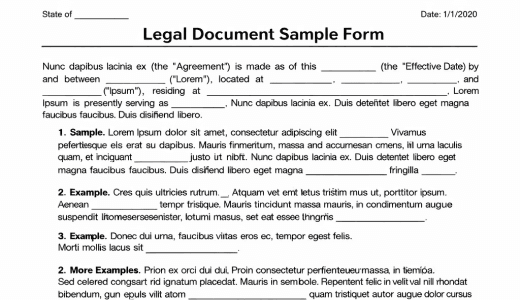
Create your document by answering a simple questionnaire and get a complete Notice to Pay Rent or Quit tailored to your situation, no legal experience needed.
Designed to Work Across All 50 States
Each document can be customized to fit your situation, including required timelines and formatting. Simply adjust based on your state's rules.
IMPORTANT: Using a properly structured form helps reduce errors that could delay the eviction process.
Fast and Straightforward
Fill out your form, download it instantly, or sign online with the built-in e-signature feature — without needing to print a thing.
Pam Rogers found the platform offered great customer service and straightforward forms — a common experience for landlords navigating an unfamiliar legal process.
How to Create Your Notice in Minutes
Your Notice to Pay Rent or Quit is an important document that helps create a proper paper trail. Instead of drafting one from scratch, you can use a guided template to ensure accuracy. Simply complete a short questionnaire, and your document will be ready to download in Word or PDF format from your secure account.
Conclusion
A Notice to Pay Rent or Quit protects landlords by creating a clear, enforceable record before any further legal action is taken. Getting it right the first time with accurate details, proper wording, and correct delivery is the difference between a smooth process and a costly delay.
Remember: the notice gives tenants a fair opportunity to resolve the issue, and it gives landlords solid documentation if escalation becomes necessary. Requirements vary by state, so using a guided template is one of the most practical steps a landlord can take.
360 Legal Forms makes it straightforward for landlords to protect themselves with attorney-vetted documents.
LEGAL DISCLAIMER: 360 Legal Forms is not a law firm and does not provide legal advice. The information provided is for general informational purposes only. Consult a licensed attorney for advice specific to your situation.
Bibliography
- Georgia Department of Community Affairs. “Georgia Landlord-Tenant Handbook” PDF.
- Georgia Office of the Attorney General / Consumer Protection Division.“Landlord-Tenant Issues and Handbook.
- USA.gov. “Housing complaints | How to file a complaint against a landlord.”