

Key Takeaways - A Business Purchase LOI outlines deal terms before a binding purchase agreement is signed. - Most LOI provisions are non-binding — either party can generally walk away before a final deal. - Certain clauses (exclusivity, confidentiality) are typically legally enforceable once signed. - Lenders often require a signed LOI before approving SBA or commercial acquisition financing. - Skipping an LOI can invite competing offers, create misunderstandings, and slow the acquisition process. - 360 Legal Forms lets you generate an attorney-vetted LOI in minutes, downloadable as PDF or Word.
In most cases, a Business Purchase LOI is one of the most important documents in any acquisition. It helps identify responsibilities, reduce disputes, and keep both parties on a legally sound footing from day one.
What Is a Business Purchase Letter of Intent?
A letter of intent to purchase a business is a preliminary written document exchanged between a buyer and a seller. It captures the main terms of the proposed transaction — purchase price, deal structure, payment terms, and key conditions — without creating a binding obligation to complete the sale.
Think of it as a roadmap. The LOI guides both parties through early negotiations, aligns expectations, and lays the groundwork for drafting the formal purchase agreement. It is one of the most widely used documents in business acquisitions, mergers, and buyouts.
Other Names for a Business Purchase Letter of Intent
Depending on your state or transaction type, this document may also be called:
- Letter of Intent (LOI) — see our general letter of intent template for non-business contexts
- Letter of Interest
- Memorandum of Understanding (MOU)
- Term Sheet
- Non-Binding Offer Letter
- Offer to Purchase Letter
The name varies, but the purpose is consistent. 360 Legal Forms generates the correct format automatically based on your state and deal structure.
Key Terms You’ll Encounter in a Business Purchase LOI
- Purchase Price: The amount the buyer proposes to pay for the business.
- Deal Structure: Whether the transaction is an asset purchase or a share purchase agreement (stock/equity purchase). Each carries different tax and liability implications.
- Due Diligence: The buyer’s review period for financial records, tax returns, legal documents, and contracts.
- Exclusivity Period: A typically binding clause preventing the seller from negotiating with other buyers for a set time — often 30 to 60 days.
- Confidentiality Clause: A typically binding provision protecting sensitive business information shared during negotiations.
- Governing Law: The state whose laws apply to the LOI.
- Closing Date: The target date for executing the final purchase agreement.
- Contingencies: Conditions that must be met before the deal proceeds, such as financing approval or satisfactory due diligence.
What Is the Purpose of a Business Purchase Letter of Intent?
The primary purpose of a Business Purchase LOI is to formally record a buyer’s intent to acquire a business and outline the key terms of the proposed deal — before either party invests significant time or money in a formal purchase agreement.
An LOI serves several important functions for both buyer and seller:
- Establishes mutual understanding: Both parties can agree on the main terms before committing to the detailed legal work of a full purchase agreement.
- Keeps negotiations focused: The LOI acts as a guiding document, helping prevent discussions from going off-track.
- Opens the door to due diligence: With an LOI in place, sellers are generally more willing to share financial records and business data with the buyer.
- Signals serious intent: An LOI tells the seller that a buyer is committed and not simply exploring options.
- May be required by lenders: In many cases, banks and SBA lenders require a signed LOI before approving acquisition financing.
- Reduces the risk of disputes: Putting agreed terms in writing early on minimizes the chance of misunderstandings as negotiations continue.
Who Needs a Business Purchase Letter of Intent?
A Business Purchase LOI is appropriate any time a buyer wants to formally signal interest in acquiring a business — before either side commits to a final, binding deal.
- Business buyers who have identified an acquisition target and want to lock in key terms before starting due diligence.
- Business sellers who want confirmation of a buyer’s seriousness before granting access to sensitive financial records.
- Entrepreneurs and investors pursuing acquisitions with SBA or commercial financing.
- Partners buying out an existing co-owner or stakeholder.
- Anyone negotiating a merger, acquisition, or buyout who wants a structured framework before drafting a formal agreement.
Is a Business Purchase Letter of Intent Necessary?
A Business Purchase LOI is not required by law in most states. However, skipping one is generally not advisable.
Without an LOI, sellers are often still free to negotiate with other interested buyers. There is no framework to anchor price discussions, and lenders typically will not process an acquisition loan without a signed LOI. Misunderstandings about deal terms become far more common — and more expensive to resolve — if they surface only after a formal purchase agreement is being drafted.
In most business acquisitions, an LOI is considered a standard and expected step. It protects both parties by making expectations clear early, reduces wasted effort if the deal cannot be agreed upon, and provides a foundation that streamlines the drafting of the final purchase agreement.
In most cases: having a signed LOI before beginning due diligence is considered best practice in business acquisitions — even when it is not legally required.
What Should Be Included in a Business Purchase Letter of Intent?
A well-drafted Business Purchase LOI covers the essential terms both parties need to align on before entering formal negotiations. The level of detail depends on the complexity of the transaction — for smaller deals, a straightforward LOI may be sufficient, while larger acquisitions may require a document that more closely mirrors the eventual purchase agreement.
How to Write a Business Purchase Letter of Intent
Writing a Business Purchase LOI does not require legal expertise, but it does require clear thinking about the deal terms. A well-written LOI is specific enough to guide negotiations, but not so detailed that it duplicates the formal purchase agreement.
Follow these steps when drafting a Business Purchase LOI:
- Identify the parties. Include the full legal names and addresses of both the buyer and the seller.
- Describe the business. State the business name, location, and what exactly is being acquired — the full business, specific assets, or an ownership interest.
- State the purchase price. Be as specific as possible. If the final price depends on due diligence, note that it is subject to adjustment.
- Outline payment terms. Specify whether the buyer is paying in cash, using financing, proposing seller notes, or structuring an earnout.
- Define the deal structure. Clearly state whether this is an asset purchase or a stock/equity purchase.
- Set the due diligence period. Specify how many days the buyer has to review records, and what types of records they require access to.
- Include an exclusivity clause. Specify the period during which the seller agrees not to negotiate with other buyers.
- Add a confidentiality clause. Confirm that both parties will keep the negotiations and any shared information private.
- Note the target closing date. Provide an expected timeline for completing the final purchase agreement.
- List any contingencies. Identify conditions that must be met before the deal can proceed.
- Identify governing law. Specify the state whose laws will apply.
- Label binding vs. non-binding provisions. Clearly state which clauses are legally enforceable (typically exclusivity, confidentiality) and which are non-binding expressions of intent.
Once drafted, both parties review, negotiate any changes, and sign. Distribute a copy to all parties after signing.
Can a Business Purchase Letter of Intent Be Legally Binding?
In most cases, the core deal terms in a Business Purchase LOI — including the proposed purchase price, deal structure, and closing date — are non-binding. This means either party can generally walk away from the deal before a formal purchase agreement is signed, without legal penalty for the non-binding portions.
However, a Business Purchase LOI is typically not entirely non-binding. Certain provisions are generally intended to be legally enforceable from the moment both parties sign:
- Exclusivity (no-shop) clause: Prevents the seller from negotiating with other buyers for a defined period. Courts have upheld these clauses even when the rest of the LOI is non-binding.
- Confidentiality clause: Requires both parties to keep negotiations and shared information private. Typically binding regardless of whether the transaction closes.
- Expense allocation: Any agreed provisions on who bears due diligence costs if the deal falls through.
- Break fees: If included, these are binding by design.
The enforceability of an LOI depends almost entirely on how it is written. A well-drafted LOI clearly labels which provisions are binding and which are not — typically in a dedicated section. An LOI that is vague or silent on this question creates legal risk for both parties.
Important: Even a non-binding LOI can create practical obligations. If one party has incurred significant costs in due diligence or advisor fees in reliance on the LOI, walking away without cause may invite a dispute — even if no legal breach technically occurred. Consult a licensed attorney before signing any LOI involving a complex or high-value transaction.
What Are the Risks of a Business Purchase Letter of Intent?
While an LOI protects both parties, it also carries risks if it is poorly drafted or misunderstood. The most common risks include:
- Unintended binding obligations: Vague or poorly worded LOIs can inadvertently create enforceable commitments — even on terms the parties intended to keep non-binding. Always clearly label which provisions are binding.
- Anchor effect on price: The purchase price stated in an LOI — even as a non-binding figure — tends to become the baseline for all subsequent negotiations. If due diligence reveals problems, renegotiating the price can create friction and damage goodwill.
- Inadequate confidentiality protection: A general confidentiality statement may not adequately protect sensitive financial data, customer lists, or trade secrets shared during due diligence. For sensitive transactions, a standalone Non-Disclosure Agreement (NDA) executed before the LOI is considered better practice.
- Exclusivity without progress milestones: Sellers who agree to a long exclusivity period without tying it to specific buyer milestones risk losing other potential buyers while a deal stalls.
- Retrading risk: After due diligence, a buyer may attempt to renegotiate the price significantly downward. Including provisions in the LOI that address this — such as terminating exclusivity if the buyer materially changes terms — can provide the seller with a remedy.
- SBA financing compliance: For acquisitions funded by SBA loans, the LOI must reflect current SBA requirements. An LOI that does not align with lender expectations may delay or derail the loan approval process.
Can a Business Purchase Letter of Intent Be Revoked?
In most cases, yes. Because the core terms of a Business Purchase LOI are generally non-binding, either party can withdraw from negotiations at any time before a formal purchase agreement is signed.
However, there are important limitations:
- Binding clauses remain enforceable. If the LOI includes a binding exclusivity clause, confidentiality obligation, or break fee, walking away does not release the departing party from those specific obligations.
- Good faith obligations. Some courts have found that parties to an LOI are obligated to negotiate in good faith, even if no final deal is required. Abandoning negotiations without a legitimate reason — particularly after the other party has incurred significant costs — may give rise to a claim in certain jurisdictions.
- Practical consequences. Even where no legal liability exists, revoking an LOI after due diligence has begun can damage the relationship between the parties and, in some industries, affect reputation.
If you need to withdraw from a Business Purchase LOI, review the specific binding provisions carefully and consider consulting a licensed attorney before doing so.
How to Create a Business Purchase Letter of Intent with 360 Legal Forms
Drafting a Business Purchase LOI does not require hiring an attorney. With 360 Legal Forms, you can create your document in three straightforward steps:
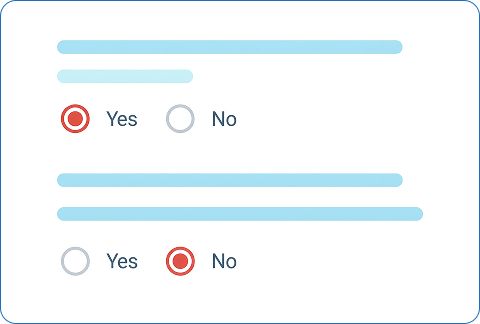
- Build your document. Answer guided questions about the buyer, seller, business name, purchase price, payment terms, and key deal conditions.
- Download instantly. Receive your finished LOI as a PDF or Word document from your secure online account.
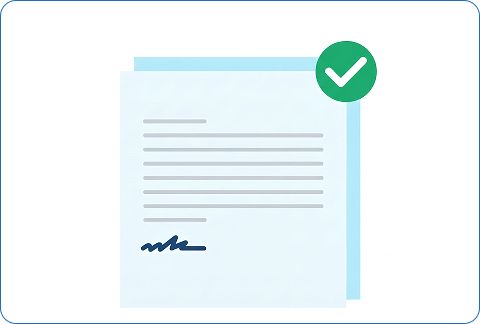
- Sign and share. Print and sign, or use the built-in e-signature to sign online. Distribute a copy to all parties.
What Information Will I Need to Create My Business Purchase Letter of Intent?
Before you start, have the following ready:
- Buyer’s full legal name, contact information, and mailing address
- Seller’s full legal name, contact information, and mailing address
- Name, type, and location of the business being acquired
- Proposed purchase price and payment method (lump sum, installments, financing, earnout)
- Deal structure: asset purchase or stock/equity purchase
- Proposed due diligence period length
- Exclusivity period, if applicable
- Target closing date
- Any contingencies (financing approval, regulatory consent, etc.)
- Governing law (the state whose laws apply)
Business Purchase Letter of Intent Signing Requirements
In most cases, both the buyer and seller sign the LOI. Witnesses and notarization are generally not required, as the LOI is not a binding purchase agreement. After signing, each party retains a copy. The document does not need to be filed with any government body.
What to Do After Signing Your Business Purchase Letter of Intent
Once both parties have signed the LOI, the buyer typically begins formal due diligence. If the business is public or may have SEC reporting obligations, review its filings through the SEC's EDGAR database.
- Financial statements, tax returns, and profit-and-loss records
- Existing contracts, leases, and supplier agreements
- Outstanding liabilities or pending legal matters
- Employee agreements and payroll records
- Intellectual property documentation
Due diligence findings may affect the final purchase price, deal terms, or whether the deal moves forward at all. If everything checks out, both parties proceed to drafting and signing a formal Business Purchase Agreement — the binding document that finalizes the transaction.
Bibliography
Legal Disclaimer: 360 Legal Forms is not a law firm and does not provide legal advice. The information provided is for general informational purposes only. Consult a licensed attorney for advice specific to your situation.