

Key Takeaways - A Property Purchase Letter of Intent is a written, generally non-binding document in which a buyer formally proposes to purchase real estate, land, or residential property, outlining price and key conditions before a binding contract is signed. - Unlike a Real Estate Purchase Agreement, the LOI does not transfer ownership or legally commit either party to complete the sale. It opens and structures negotiations. - Residential homebuyers, commercial property buyers, land purchasers, and real estate investors all use this document to put preliminary deal terms on the record during early negotiations. - Key fields specific to property transactions include earnest money deposit, financing contingency, inspection period, appraisal condition, and proposed closing date. - Certain clauses within a property LOI, such as exclusivity and confidentiality terms, can be legally binding even when the overall document is not. - If a seller rejects your LOI, you can revise terms, request a counter-offer, or walk away with no legal obligation.
What Is a Property Purchase Letter of Intent?
A Property Purchase Letter of Intent (LOI) is a written document in which a buyer formally signals their intention to purchase a specific property, putting the proposed purchase price, contingencies, and timeline on the record before either party commits to a binding contract. Under U.S. contract law, as explained by the Legal Information Institute at Cornell Law School, intent in a legal context is evaluated objectively based on the words and terms the parties actually use, which makes documenting preliminary terms in writing a critical step in any property transaction.
What sets a property LOI apart from other letters of intent is its focus on real estate-specific conditions: the physical state of the property, financing approval, title clearance, and zoning. These factors are central to nearly every real estate deal, whether the subject is a single-family home, a commercial building, or undeveloped land.
Other Names for a Property Purchase Letter of Intent
Depending on the property type and context, this document may also be called:
- Letter of Intent to Purchase Real Estate: the broadest term, covering residential, commercial, and investment property
- Letter of Intent to Purchase Land: used specifically for undeveloped, agricultural, or vacant land transactions
- Letter of Intent to Purchase Residential Property: used in home purchase negotiations between a buyer and a private seller
- Real Estate Letter of Intent: commonly used by real estate brokers and agents
- Property Offer Letter: an informal term used in early-stage negotiations before a formal LOI is drafted
A general Letter of Intent can apply to many types of transactions. This template is built specifically for real property and land acquisitions.
Who Needs a Property Purchase Letter of Intent?
Real property transactions involve more moving parts than almost any other purchase: financing approvals, physical inspections, title searches, zoning reviews, and environmental assessments. A Property Purchase Letter of Intent gives both parties a structured framework to agree on the fundamentals before that lengthy process begins.
This document is used by:
- Residential homebuyers: to formally communicate a purchase offer and proposed price to a private seller before a binding purchase contract is drafted.
- Commercial property buyers: to signal intent to acquire office, retail, or industrial property while financing and due diligence are still ongoing.
- Land purchasers: to make a formal offer on undeveloped, agricultural, or vacant land before surveys, zoning checks, and environmental reviews are complete.
- Real estate investors: to establish preliminary pricing and terms on investment properties before committing to a full purchase agreement.
- Sellers screening buyers: to evaluate a buyer's seriousness, financial position, and proposed terms before granting exclusivity or pausing other negotiations.
The U.S. Department of Housing and Urban Development advises homebuyers to understand and document all key terms clearly before entering into any binding contract. When all parties are ready to legally commit to the transaction, a Real Estate Purchase Agreement is the appropriate next step.
Why Use 360 Legal Forms for Your Property Purchase Letter of Intent?
1. Built for real estate transactions in all 50 states
Real estate law varies significantly by state, from required disclosures to title transfer procedures. Our template accounts for these differences and lets you select your governing state before generating your document.
2. Covers residential, commercial, and land purchases
Unlike generic LOI templates that treat all transactions the same, our questionnaire includes fields specific to property type, whether you are buying a home, a commercial space, or undeveloped land.
3. Fast, attorney-vetted, and ready to sign
Complete the questionnaire, download it in PDF or Word, and sign it immediately. No legal background needed and no expensive attorney drafting fees for a preliminary document.
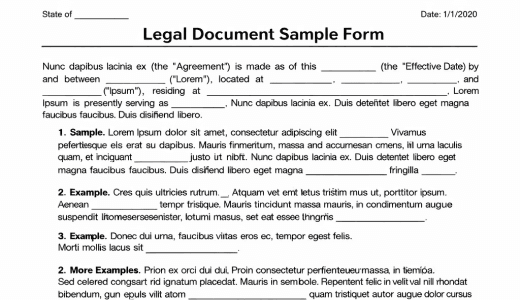
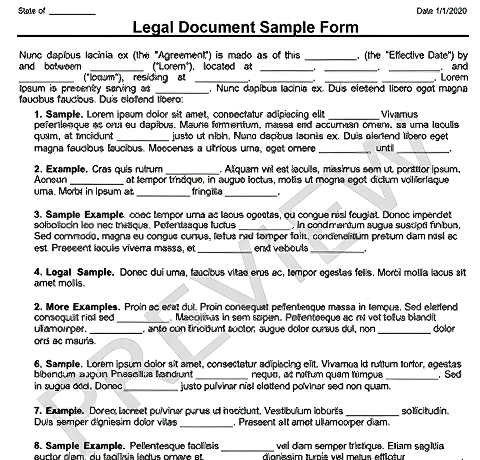
What Does a Property Purchase Letter of Intent Include?
How to Fill Out a Property Purchase Letter of Intent
Follow these steps to complete your Property Purchase Letter of Intent accurately before submitting it to the seller or their agent.
1. Enter the Date and Parties
Write the date the LOI is being submitted and enter the full legal names and contact details for both the buyer and seller. Names must match any existing title or mortgage records for the property.
2. Identify the Property
Include the full street address, legal description, and property type (residential, commercial, or land). An accurate legal description is important for title records and any future binding agreement.
3. State the Proposed Purchase Price and Earnest Money
Enter the total offer price and the earnest money deposit amount, along with escrow instructions. This sets the financial baseline and demonstrates the buyer’s good faith.
4. Add Contingencies
Specify any financing contingency (mortgage type and approval timeline), inspection period, and appraisal condition. Contingencies protect the buyer during due diligence and allow for withdrawal if conditions are not met.
5. Set the Exclusivity and Confidentiality Terms
Indicate whether the seller agrees to pause other negotiations for a defined period (exclusivity clause) and whether both parties agree to keep deal terms confidential. These provisions may be legally binding even within an otherwise non-binding LOI.
6. Propose a Closing Date and Sign
Enter the proposed closing date and possession date to establish a shared timeline. Both the buyer and seller should sign and retain copies. Given the value of most real estate transactions, consult a licensed real estate attorney before proceeding to a binding purchase contract. Always check your state’s specific requirements.
How to Create a Property Purchase Letter of Intent with 360 Legal Forms
Our questionnaire walks you through every field relevant to your property transaction. Once complete, your document is available for instant download in PDF or Word, ready to share with the seller or their agent.
What Information Will I Need?
Gather the following before you begin:
- Full legal names and contact information for the buyer and seller
- Property address and legal description
- Property type (residential, commercial, or land)
- Proposed purchase price (total price or price per acre for land)
- Earnest money deposit amount and escrow instructions
- Financing contingency details (mortgage type, lender, approval timeline)
- Preferred inspection period and due diligence timeframe
- Appraisal condition (if applicable)
- Exclusivity and confidentiality preferences
- Proposed closing date and possession date
- Governing state or jurisdiction
Property Purchase Letter of Intent Terms
- Buyer: The individual or entity making the offer to purchase the property.
- Seller: The current legal owner of the property being offered for sale.
- Earnest Money Deposit: A good-faith payment made by the buyer, typically held in escrow, that demonstrates serious intent to purchase. It may be forfeited if the buyer withdraws outside of permitted contingency periods.
- Contingency: A condition that must be satisfied for the transaction to proceed. Common contingencies in property purchases include financing approval, satisfactory inspection results, and successful appraisal.
- Financing Contingency: A clause that makes the purchase contingent on the buyer securing a mortgage or other financing within a defined period. If financing falls through, the buyer may withdraw without penalty.
- Inspection Period: The agreed timeframe during which the buyer arranges a professional physical inspection of the property to identify defects, structural issues, or required repairs.
- Appraisal Condition: A clause conditioning the purchase on the property appraising at or above the proposed purchase price, typically required by mortgage lenders.
- Due Diligence Period: The broader period during which the buyer reviews the title, surveys, zoning records, environmental reports, and any other relevant documents before committing to a binding agreement.
- Title Search: A review of public records to confirm the seller has clear legal ownership of the property and that no outstanding liens, encumbrances, or claims exist against it.
- Escrow: A neutral third party that holds the earnest money deposit and other funds until the transaction is completed or dissolved.
- Closing Date: The proposed date on which the property title transfers to the buyer, funds are exchanged, and the sale is legally completed.
- Exclusivity Clause: A provision in which the seller agrees not to negotiate with other buyers or accept competing offers during the LOI period.
Signing Requirements
Both the buyer and the seller typically sign the Property Purchase Letter of Intent to confirm their mutual understanding of the preliminary terms. Notarization is not generally required for an LOI, though some commercial transactions may call for it. Given the value of most real estate transactions, both parties should retain a signed copy and consult a licensed real estate attorney before proceeding to a binding purchase contract. Always check your state's specific requirements.
What to Do with Your Property Purchase Letter of Intent
Once your Property Purchase Letter of Intent is signed by both parties:
- Retain a signed copy. Both the buyer and seller should keep a signed original. Your real estate agent or attorney should also receive a copy.
- Begin due diligence immediately. Schedule a property inspection, order a title search, and initiate your mortgage application within the agreed timeframe. The Consumer Financial Protection Bureau's closing guidance outlines what buyers should prepare before reaching the closing stage, including reviewing loan disclosures and confirming that agreed repairs have been completed.
- Respect exclusivity terms. If the LOI includes an exclusivity clause, the seller must pause other negotiations for the agreed period.
- Proceed to a binding purchase agreement. When due diligence is complete and both parties agree on final terms, move to a formal Real Estate Purchase Agreement to legally commit to the transaction.
Conclusion
A Property Purchase Letter of Intent gives both a buyer and a seller a written, structured starting point for one of the most significant financial transactions either will undertake. It protects the buyer by locking in preliminary terms and creating space for due diligence, and it protects the seller by demonstrating the buyer's seriousness before any binding commitment is made.
Create your Property Purchase Letter of Intent today, free to start, downloadable instantly, and designed for all 50 states.