

Key Takeaways - A contractor letter of intent is a mostly non-binding document that lets a contractor and a client agree on the basics of a project before signing a definitive agreement. - It is not the same as a Notice of Intent to Lien, a completely different document sent when a contractor has not been paid for completed work. - General contractors, subcontractors, and clients all use this letter, most often when permits, financing, or scheduling are still being finalized. - It typically documents the parties, the scope of work, proposed compensation, and a proposed timeline. - Under the legal principle of quantum meruit, a contractor who starts work under a signed letter of intent may generally still be entitled to payment for the work completed. - 360 Legal Forms helps you build an attorney-vetted contractor letter of intent, customized for your state, and downloadable as a PDF or Word document.
A contractor letter of intent is a written document that lets a contractor and a client agree on the basic terms of a project, such as scope, pay, and timeline, before a definitive agreement is signed. Whether you are a general contractor waiting on a permit, a subcontractor lined up for part of a larger job, or a client trying to lock in a start date, this letter puts your understanding on record.
What Is a Contractor Letter of Intent?
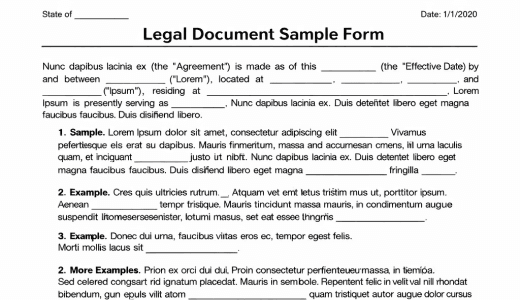
A contractor letter of intent is a written document that outlines the proposed terms of a construction or service project before the contractor and client sign a definitive agreement. It generally covers the scope of work, the proposed pay, and a rough timeline, without locking either party into the deal.
Most of the letter is non-binding. That means the contractor and client can generally walk away from the proposed terms without a lawsuit if the definitive agreement never gets signed. A handful of provisions, most often confidentiality, exclusivity, and reimbursement of costs already spent, may still be binding even in an otherwise non-binding letter.
Contractors typically use this letter when a project needs to start, or at least get planned, before every detail is settled. That might mean a permit has not cleared yet, financing has not closed, or the client is on a tight schedule and wants to reserve the contractor's availability.
Critical Distinction
A contractor's letter of intent is not the same as a Notice of Intent to Lien. They sound alike, but they sit at opposite ends of a project. A contractor's letter of intent is used at the start of a relationship, before work begins, to outline proposed terms. A Notice of Intent to Lien is used at the end of a project, after a payment deadline has passed, to warn a property owner that a contractor plans to file a mechanic's lien for unpaid work.
Cornell Law School's Legal Information Institute describes a mechanic's lien as a security interest that allows someone who provided labor or materials for a property to seek payment from the property itself. Sending one document when you meant the other can cost you time on a project or in a payment dispute, so it helps to know which one you actually need.
A contractor's letter of intent is also different from a Notice to Proceed, a document typically issued after a definitive agreement is signed to formally authorize the contractor to begin work. If you already have a signed agreement and are just waiting on a start date, a Notice to Proceed is usually the more appropriate document, rather than a new letter of intent.
Other Names for a Contractor Letter of Intent
Depending on the project and the region, a contractor's letter of intent may also be known as:
- Contractor LOI
- Construction letter of intent
- Letter of intent to hire a contractor
- Subcontractor letter of intent (when sent between a general contractor and a subcontractor)
360 Legal Forms will help you generate the correct form for your state with our attorney-vetted templates.
Who Needs a Contractor Letter of Intent?
Several different parties use a contractor letter of intent, generally when a project needs to move forward before every term is finalized.
General contractors often send a letter of intent to a client to lock in the proposed pay and scope while permits, financing, or design details are still being finalized. It signals serious interest without requiring either side to commit to a definitive agreement yet. Labor shortages have made this more common recently: a 2025 workforce survey from the Associated General Contractors of America and NCCER found that 45 percent of firms had to delay at least one project because they could not find enough qualified workers, which puts pressure on locking in contractors and subcontractors as early as possible.
Subcontractors may receive a letter of intent from a general contractor who wants to reserve their availability for part of a larger project, such as electrical, plumbing, or drywall work, before the main agreement is finalized.
Clients and property owners use this letter when they have chosen a contractor but still need time to finish financing, secure permits, or complete a bidding process, while still wanting to secure the contractor's schedule.
This document is generally unnecessary for small, informal jobs where a simple estimate or a direct agreement covers the needs. It becomes more useful once a project is large enough, or delayed enough, that both sides want their understanding in writing before committing further time or money.
What Does a Contractor Letter of Intent Include?
How to Fill Out a Contractor Letter of Intent (Step by Step)
1. Identify the Parties
Start with the full legal names, business names, and mailing addresses of the contractor and the client. This confirms exactly who is negotiating the proposed project.
2. Describe the Scope of Work
Write a plain-language description of the project or services under discussion. Be specific enough that both sides agree on what is, and is not, included.
3. Outline Proposed Compensation
Include the payment amount or rate you have discussed so far, even if it is not final. This becomes the baseline for the definitive agreement.
4. Specify the Payment Method and Schedule
Note whether payment is expected as a lump sum, in milestones, or on another schedule. This step helps you avoid disputes later over when money is owed.
5. Set a Start Date and Target Completion Date
Add a proposed timeline for the project. Keep in mind this date may generally shift once a definitive agreement is signed.
6. State Whether the Letter Is Binding or Non-Binding
Say clearly which parts of the letter, if any, are meant to be enforceable. Most contractor letters of intent are non-binding except for a few provisions, such as confidentiality or exclusivity.
7. Add a Deadline for Reaching a Definitive Agreement
Include a target date by which both sides intend to sign a formal agreement. This keeps negotiations moving instead of stalling indefinitely.
8. Include a Governing Law Clause
Name the state whose laws will apply if a dispute comes up. In many states, this clause helps determine which court has authority over the letter.
9. Review, Sign, and Date the Letter
Read the full letter carefully before signing. Both the contractor and the client should sign and keep a copy for their records.
How to Create a Contractor Letter of Intent with 360 Legal Forms
Creating a contractor letter of intent with 360 Legal Forms starts with a short, guided questionnaire, no legal experience needed. Answer a few questions about your project, and our form generator builds a letter customized for your state. Once it is complete, download it instantly as a PDF or Word document, or sign it online with our built-in e-signature tool.
What Information Will I Need to Create My Contractor Letter of Intent?
- Contractor's name, business name, and address
- Client's name and address
- A description of the proposed scope of work
- Proposed compensation and payment method
- Proposed start and completion dates
- Whether any provisions should be binding
- The state whose laws will govern the letter
Contractor Letter of Intent Terms
- Definitive Agreement: The final, formal agreement that replaces the letter of intent once both sides agree on every term.
- Scope of Work: A description of the specific tasks or services the contractor agrees to perform.
- Quantum Meruit: A legal principle meaning "as much as one has earned." Cornell Law School's Legal Information Institute describes it as an equitable remedy that generally allows someone to recover the reasonable value of work already performed, even without a signed agreement.
- Non-Binding Provision: A term in the letter that does not create a legal obligation and can generally be changed before a definitive agreement is signed.
- Exclusivity Clause: A binding provision that generally prevents the client from negotiating with other contractors during a set period.
- Good Faith Negotiation: An obligation for both parties to keep negotiating honestly toward a definitive agreement.
- Governing Law: The state law that generally applies if a dispute over the letter arises.
Contractor Letter of Intent Signing Requirements
In most cases, a contractor's letter of intent needs signatures from both the contractor and the client to show they reviewed and understood the proposed terms. Notarization is typically not required, though either party can request it for extra peace of mind. Check your state's requirements before finalizing, since notarization and witness rules can vary.
What to Do With Your Contractor Letter of Intent
Once both parties sign, keep a copy of the letter for your records, whether printed, saved as a PDF, or stored securely online. If the project moves forward, use the letter as your starting point for negotiating the Independent Contractor Agreement or General Service Agreement that will formally govern the work.
If you are a general contractor extending the letter to a subcontractor, plan to follow up with a Subcontractor Agreement once the scope and pay are finalized. If a client backs out after work has already started in reliance on the letter, and reimbursement was not addressed, a demand letter can help you formally request payment for what you completed. Keep track of your deadline for reaching a definitive agreement so the project does not stall in limbo.
Conclusion
A contractor letter of intent gives contractors and clients a way to agree on the basics of a project, scope, pay, and timeline before a definitive agreement is signed. It protects both sides while permitting clear financing closings or negotiations to continue, and it can help determine who owes what if work starts early.
Bibliography
- Cornell Law School, Legal Information Institute. "Quantum Meruit."
- Cornell Law School, Legal Information Institute. "Mechanic's Lien."
- Associated General Contractors of America. "Construction Workforce Shortages Are Leading Cause of Project Delays As Immigration Enforcement Affects Nearly 1/3 Of Firms," 2025.