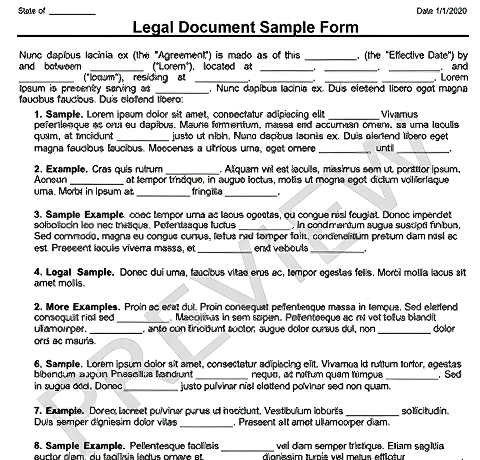


Key Takeaways 1. An employment verification request form is a written document used by lenders, landlords, government agencies, and employers to formally ask for proof of an individual's employment status, job title, and income. 2. The employment verification request form and the employment verification letter are not the same thing — the request form initiates the process, while the letter is the employer's official response. 3. Employee consent is generally required before an employer can release employment details to any third party — always include a signed authorization section in your request. 4. A complete employment verification request form typically includes the requester's information, the employee's details, the specific information being requested, the stated purpose, and a consent signature. 5. 360 Legal Forms offers an attorney-vetted, printable employment verification request form template that you can customize and download instantly in Word or PDF for any state.
Most institutions will not extend credit, approve a rental application, or finalize an immigration filing based on a job title typed into a form. They need employer-confirmed proof — and that is exactly what an employment verification request delivers.
The form puts the request on record, specifies the information needed, and captures the employee's signed consent before any information is disclosed. 360 Legal Forms lets you create a customized, ready-to-use form in minutes.
What Is an Employment Verification Request?
An employment verification request is a formal written inquiry submitted to an employer or HR department asking them to confirm specific details about a current or former employee. The information confirmed typically includes job title, employment status, dates of employment, and — when the employee consents — salary or compensation details.
Unlike a background check — which covers criminal history, credit, and public records — an employment verification request focuses specifically on confirming work history and income. It is a targeted, consent-based process that most institutions require before extending credit, approving a lease, or finalizing a hiring decision.
Employment Verification Request vs. Employment Verification Letter — What's the Difference?
This is the most common point of confusion — and most resources online do not explain it clearly enough.
- The employment verification request form is what the requester (lender, landlord, or agency) fills out and sends to the employer. It specifies exactly what information is needed and includes the employee's signed consent.
- The employment verification letter (also called a proof of employment letter or employment confirmation letter) is what the employer sends back in response, confirming the details on company letterhead.
In short: the request form starts the process. The verification letter completes it. You need both for the employment confirmation process to be official and legally sound.
Other Names for This Form
The employment verification request may be called different things depending on who is asking and why:
- Request for verification of employment form
- Request for employment verification form
- Employment confirmation request form
- Verification of employment (VOE) form
- Employment verification request letter
- Employment status confirmation request
- Proof of employment request form
360 Legal Forms will help you generate the correct form for your state with our attorney-vetted templates.
Who Needs an Employment Verification Request Form?
Any individual or organization that needs confirmed, employer-certified proof of someone's work history or income may need to submit an employment verification request. Below are the parties most commonly involved.
Lenders and Mortgage Companies
Banks, credit unions, and mortgage lenders typically require an employment verification request as part of the loan underwriting process. They need to confirm that a borrower has stable, verifiable income before approving a home loan, auto loan, or personal line of credit. In many cases, the lender sends the request directly to the employer rather than relying solely on the borrower's self-reported income.
Ready to support a loan application? Create your employment verification request form at 360 Legal Forms today.
Landlords and Property Managers
Residential landlords and property managers use employment verification requests to confirm that a prospective tenant has the income needed to cover monthly rent. The employer's confirmation typically needs to come directly from HR or a company official. HR teams managing multiple requests at once can benefit from reviewing forms your HR department needs to streamline their documentation workflows.
Government Agencies and Immigration Authorities
Government agencies may require employment verification as part of public benefits programs, Medicare enrollment, visa applications, or green card processes. The U.S. Citizenship and Immigration Services (USCIS)maintains its own employment eligibility requirements, and employment verification forms help applicants demonstrate financial self-sufficiency during these processes.
Prospective Employers and Background Check Firms
HR teams and staffing agencies frequently submit employment verification requests to a candidate's previous employers to confirm the dates, titles, and roles listed on a resume. For self-employed individuals, an Income Verification Letter may serve as a suitable alternative when a traditional employer-issued verification is not available.
What Does an Employment Verification Request Form Include?
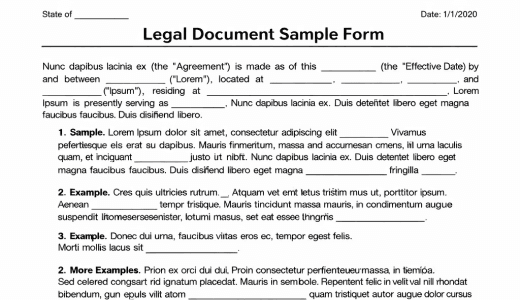
A well-prepared employment verification request form includes all the information the employer needs to locate the correct records and respond accurately. Below are the standard fields found in most templates.
How to Fill Out a Request for Verification of Employment Form (Step by Step)
Step 1 — Identify the Requesting Party
Enter the full legal name, organization name (if applicable), mailing address, phone number, and email address of the party making the request. This tells the employer exactly where to send the completed verification.
Step 2 — Enter the Employee's Information
Fill in the employee's full legal name exactly as it appears on their employment records, along with their date of birth or employee ID number, and the name and address of their current or former employer. Double-check the spelling — a small discrepancy can delay the employer's response.
Step 3 — Specify the Dates of Employment
List the specific time period you need verified. If the employee is currently employed, enter the start date and leave the end date blank. For past employment, include both start and end dates.
Step 4 — Describe the Information Being Requested
Check or list the specific details you need confirmed: job title, employment status, dates of employment, or salary. Be precise — employers are only obligated to provide what is asked, and requesting more information than necessary may delay the response.
Step 5 — State the Purpose of the Request
Indicate why you are requesting employment verification — such as mortgage underwriting, rental application review, background check, or immigration processing. Under the Fair Credit Reporting Act (FCRA), verifiers must have a legitimate, permissible purpose for requesting employment and income information.
Step 6 — Obtain the Employee's Signed Authorization
Before submitting the form, the employee must sign a consent section authorizing their employer to release the specified information. Without this signature, most employers will not respond to the request. The authorization should clearly state what information may be shared and with whom.
Step 7 — Submit the Form Directly to the Employer or HR Department
Send the completed form directly to the employer's HR department — not through the employee. For mortgage applications, lenders typically require direct employer-to-requester delivery to protect the integrity of the response.
Step 8 — Review and File the Completed Response
Once the employer returns the completed form or verification letter, review all details carefully. If any information conflicts with what the employee reported, follow up with the employer before making a decision. Retain the completed form for the duration of the relevant application or transaction.
How to Create an Employment Verification Request with 360 Legal Forms
Creating your employment verification request form with 360 Legal Forms takes just a few minutes. Our guided questionnaire walks you through each required field, so you never have to guess what to include. When you are done, you can download the completed form instantly as a Word document or PDF — ready to print, sign, and submit.
Each form is designed to work across all 50 states and can be customized to fit your requirements. Fill out the questionnaire, download your completed form as a Word document or PDF, and sign. No printer? No problem — you and other parties can sign online using the built-in e-signature feature.
What Information Will I Need to Create My Employment Verification Request Form?
Have the following details ready before you start:
- Full name and contact information of the requesting party (you or your organization)
- Employee's full legal name and date of birth or employee ID number
- Name and address of the current or former employer
- Dates of employment to be verified (start date, end date, or both)
- Specific information requested (job title, status, salary, etc.)
- Stated purpose of the verification request
- Employee's authorization and consent (signature required)
- Date the form is being completed
Employment Verification Request Terms
Understanding these key terms will help you complete the form accurately.
- Verification of Employment (VOE): A formal process in which an employer confirms an employee's work history, status, and compensation to an authorized third party.
- Permissible Purpose: A legally recognized reason under the FCRA for requesting employment or income information — such as a credit decision, employment evaluation, or court order.
- Employee Consent / Authorization: The employee's written permission allowing their employer to release specified information to a named third party.
- Requester: The party initiating the employment verification process — typically a lender, landlord, government agency, or prospective employer.
- Responding Party / Verifier: The employer or HR department that receives the request and provides the official employment confirmation.
- Employment Confirmation Request Form: Another term for the employment verification request form, commonly used in rental and housing contexts.
- Salary Disclosure: The optional release of compensation details — generally requires explicit employee authorization separate from general employment consent.
- Third-Party Verification Service: An external provider (such as The Work Number by Equifax) that many large employers use to handle employment verification requests automatically.
Employment Verification Request Form Signing Requirements
In most cases, the following parties must sign or acknowledge the form:
- The employee must provide a signed authorization before any information can be disclosed to a third party.
- The requesting party should sign and date the form to certify the legitimacy and purpose of the request.
- The responding employer or HR representative signs the completed verification section when returning the form.
Notarization is generally not required for a standard employment verification request. However, for visa, immigration, or certain government benefit applications, the responding employer's signature may need to be on official company letterhead. Always confirm the specific requirements with the institution requesting the document.
What to Do With Your Employment Verification Request Form
Once you have downloaded and completed your form, here is what to do next.
- Send it directly to the employer's HR department. Do not route the form through the employee — most institutions require direct employer-to-requester delivery to protect the integrity of the response. Submit by email, fax, or certified mail depending on what the employer accepts.
- Keep a copy for your records. File the completed request and the employer's response together. For loan applications, your lender will typically retain the original in the mortgage file.
- Follow up if you do not receive a response within the expected timeframe. Most employers respond within three to five business days. If verification is time-sensitive, contact HR directly to expedite the process.
- Pair it with supporting HR documents when needed. An employment verification request often works alongside a Leave of Absence Letter particularly when an employee's work status has recently changed and a third party needs updated confirmation of their current employment standing.
Your completed form is one download away. Create your free employment verification request at 360 Legal Forms and have it ready to submit today.
Conclusion
An employment verification request form can help with documents in the loan, rental, and hiring process — yet it is also one of the most misunderstood. Knowing the difference between the request form and the verification letter, understanding what information is required, and obtaining employee consent upfront can prevent costly delays and rejected applications.
Whether you are a lender confirming a borrower's income, a landlord screening a tenant, or an HR professional managing incoming requests, having a complete and professionally formatted form makes the entire process faster and more reliable.
Create your free Employment Verification Request form at 360 Legal Forms — customize for your state and download instantly. (Free to start; only pay for your final document download.)
BIBLIOGRAPHY
- U.S. Citizenship and Immigration Services — Form I-9, Employment Eligibility Verification
- Pennymac — Verification of Employment for Mortgage: How Does It Work
- ConsumerAffairs — How to Get a Letter of Employment for a Mortgage
- U.S. Department of Labor — Worker.gov Employment Rights
360 Legal Forms is not a law firm and does not provide legal advice. The information provided is for general informational purposes only. Consult a licensed attorney for advice specific to your situation.