

Key Takeaways - A Partnership Letter of Intent (LOI) is a written, generally non-binding document that outlines the proposed terms of a business partnership before the partners sign a definitive Partnership Agreement. - It is not the same as a Partnership Agreement: an LOI maps out proposed terms while partners are still negotiating, while a Partnership Agreement is the document that actually creates and governs the partnership. - A typical Partnership LOI covers the partnership's purpose, each partner's contributions, the proposed profit and loss split, governance, and a target date for finalizing the deal. - Even though the overall deal terms are generally non-binding, specific sections, such as confidentiality or an exclusivity period, are often written to be enforceable on their own. - Notarization is typically not required for a Partnership LOI, since the document is not designed to be legally binding by itself. - 360 Legal Forms helps you build a Partnership Letter of Intent for your state through a guided questionnaire, with instant Word and PDF downloads.
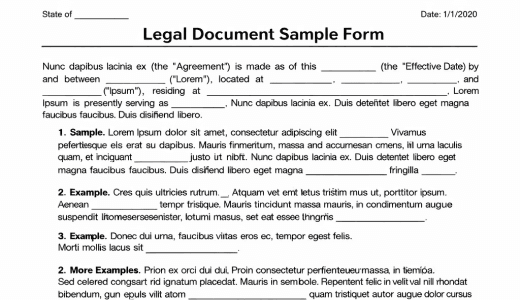
A Partnership Letter of Intent (LOI) is a written document that outlines the proposed terms of a business partnership before the partners sign a definitive Partnership Agreement. Whether you are launching a new venture with a friend, merging two existing businesses, or putting a verbal deal with an investor into writing, a Partnership LOI gives everyone a shared reference point while the details are still being negotiated.
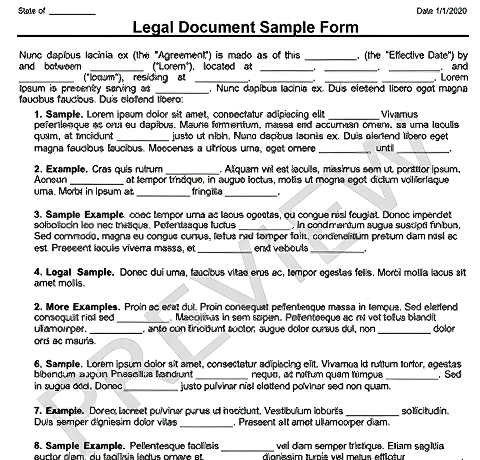
360 Legal Forms helps you build one through a short, guided questionnaire, with your finished document ready to download as a Word or PDF file.
What Is a Partnership Letter of Intent?
Suppose two people or businesses want to explore working together, whether that means launching a new venture, merging operations, or bringing on an investor. Before drafting a full Partnership Agreement, they can sign a Partnership LOI to put their shared understanding in writing.
A Partnership LOI typically covers the purpose of the partnership, what each partner plans to contribute, and how profits and decision-making will generally work. It also sets a rough timeline for finalizing a definitive Partnership Agreement. Most Partnership LOIs are written with a general partnership in mind, though the same structure can be adapted for other partnership types.
In most cases, a Partnership LOI is not meant to replace that definitive agreement. It is a roadmap that helps both sides confirm they are aligned before investing more time, money, or trust into the deal.
Start your Partnership Letter of Intent above to put your terms in writing today.
Partnership LOI vs. Partnership Agreement: The Key Distinction
The biggest point of confusion is whether a Partnership LOI and a Partnership Agreement are the same document. They are not. A Partnership LOI records proposed terms while partners are still negotiating, and it is generally non-binding.
A Partnership Agreement, by contrast, is the document that actually forms the partnership, and it is typically a legally binding agreement once every partner signs it. Most partners draft the Partnership LOI first, then use it as the basis for the definitive Partnership Agreement that follows.
Other Names for a Partnership Letter of Intent
Depending on the parties involved, a Partnership Letter of Intent may also be called:
- Partnership Term Sheet
- Partnership Proposal Letter
- Partnership Memorandum of Understanding (MOU)
- Letter of Interest
A Partnership LOI is also sometimes confused with a joint venture agreement. Courts generally treat a partnership as an ongoing business relationship, while a joint venture usually covers a single project or transaction. 360 Legal Forms will help you generate the version that fits your situation, customized for your state.
Who Needs a Partnership Letter of Intent?
A Partnership Letter of Intent can be useful any time two or more people or businesses are seriously discussing a partnership but are not ready to sign a definitive agreement. Common situations include:
- Two individuals or small business owners planning to launch a new business together.
- An existing business bringing on a new partner or investor.
- Two companies discussing a merger or a shared venture before finalizing the legal structure.
- A franchise, agency, or referral relationship the parties want to formalize as a partnership.
A Partnership LOI is generally optional. According to the U.S. Small Business Administration, partnership agreements themselves are not legally required, though they are strongly recommended before two or more people go into business together. Skipping a written document of any kind, including an LOI, can leave the partnership's terms unresolved if a disagreement comes up later.
If you are buying into an existing partnership rather than forming a new one, our Assignment of Partnership Interest form may be a better fit.
Answer a few questions below to start your Partnership Letter of Intent.
What Does a Partnership Letter of Intent Include?
A Partnership Letter of Intent generally includes the following information:
Have these details ready? Build your Partnership Letter of Intent below.
How to Fill Out a Partnership Letter of Intent (Step by Step)
Follow these steps to fill out your Partnership Letter of Intent from start to finish.
1. Identify Every Prospective Partner
List the legal name, business address, and contact information for each individual or company entering the discussion. Note their state of organization if a partner is already a registered business.
2. State the Purpose of the Partnership
In a sentence or two, describe what the partnership is meant to accomplish, such as launching a product, combining two client bases, or sharing a physical location.
3. Describe Each Partner's Contributions
List what each partner plans to contribute, whether that is cash, property, equipment, or hands-on labor and expertise.
4. Propose a Profit and Loss Split
Outline how profits and losses will generally be divided. Many partners start with an even split and adjust from there based on contributions.
5. Address Governance and Decision-Making
Note how the partners will generally make decisions while negotiations continue, such as requiring agreement from all partners on major choices.
6. Add a Confidentiality Clause
State that both sides agree to keep shared financial records, business plans, and other private details confidential during negotiations.
7. Decide on an Exclusivity Period
If you want to prevent either side from negotiating with other prospective partners for a period of time, state how long that exclusivity period will last.
8. Set a Target Closing Date
Add a date by which the partners hope to sign a definitive Partnership Agreement. This keeps the negotiation moving instead of stalling indefinitely.
9. Clarify Which Sections Are Binding
State clearly which sections, if any, are meant to be enforceable, such as confidentiality or exclusivity, and which sections are only proposed terms.
10. Review, Sign, and Distribute Copies
Read through the finished Partnership Letter of Intent with all partners, sign it, and give each partner a copy. Notarization is typically not required, though you should check your state's requirements if you are unsure.
Ready to build yours? Start your Partnership Letter of Intent below.
How to Create a Partnership Letter of Intent with 360 Legal Forms
Drafting a Partnership Letter of Intent from scratch means making sure you have not missed an important section. 360 Legal Forms removes that guesswork with a guided questionnaire built around partnership-specific terms.
Select your state, answer the questionnaire's straightforward questions about your proposed partnership, and review your finished document. Once you are satisfied, download it as a Word or PDF file, or invite the other partners to review and sign online with built-in e-signature.
What Information Will I Need to Create My Partnership Letter of Intent?
To complete your document, have the following ready:
- The legal names, addresses, and contact details for each prospective partner.
- A short description of the partnership's purpose.
- Each partner's planned contributions, such as capital, property, or expertise.
- Your proposed profit and loss split.
- A target date for signing a definitive Partnership Agreement.
- Any confidentiality or exclusivity terms you want included.
Partnership Letter of Intent Terms
Here are a few terms you may come across while completing your Partnership Letter of Intent:
Definitive Agreement: The formal Partnership Agreement signed after negotiations are complete, typically legally binding.
Capital Contribution: Money, property, or other assets a partner provides to the business.
Exclusivity Period: A window of time in which the partners agree to negotiate only with each other.
Confidentiality Clause: A promise to keep shared business or financial details private during negotiations. If you need a standalone version of this protection, see our Confidentiality Agreement form.
Binding Provision: A specific section of an otherwise non-binding Partnership LOI that is intended to be enforceable.
Governing Law: The state law that would apply if a dispute over the Partnership LOI itself arises.
Good Faith Negotiation: Negotiating honestly, with a genuine intention to reach a definitive agreement.
Partnership Letter of Intent Signing Requirements
All prospective partners, or an authorized representative of each business entity involved, should sign the Partnership LOI. Witnesses and notarization are typically not required, since the document is generally not designed to be binding on its own. In many states, the parties can sign with a handwritten signature or with a secure e-signature.
Build your Partnership Letter of Intent below in a few minutes.
Conclusion
A Partnership Letter of Intent will not replace your definitive Partnership Agreement, but it gives every partner a clear, written starting point before time, money, or trust is on the line. Putting your proposed terms in writing now can help prevent the kind of disputes that come up when partners remember a handshake deal differently months later.
360 Legal Forms makes it straightforward to build a Partnership Letter of Intent for your state, then download it as a Word or PDF document once you are ready to move forward. Browse our full library of legal documents or our business documents if you need something else for your partnership down the road. Create your Partnership Letter of Intent above and head into negotiations with your terms already on paper.
Bibliography
Note: 360 Legal Forms is not a law firm and does not provide legal advice. The information on this page is for general informational purposes only. Consult a licensed attorney for advice specific to your situation.