

Key Takeaways - A debt collection cease-and-desist letter tells a debt collector, in writing, to stop contacting you. - Under the Fair Debt Collection Practices Act (FDCPA), a third-party debt collector generally must stop contact once they receive your written request. - The letter stops the calls; it does not erase the debt or stop the collector from filing a lawsuit. - The FDCPA generally applies to third-party debt collectors, not to your original creditor. - 360 Legal Forms builds your cease-and-desist letter for your state with an instant Word or PDF download.
If a debt collector is calling you repeatedly, showing up at your workplace, or refusing to stop despite your requests, a cease and desist letter is the formal, written way to invoke your federal right to stop that contact. It does not make the debt disappear, and the collector may still pursue legal action, but it puts the harassment on record and generally forces the calls to stop.
What Is a Debt Collection Cease and Desist Letter?
A debt collection cease-and-desist letter is a written notice to a debt collector demanding that they stop all further contact regarding a specific debt. It derives its legal force from Section 805(c) of the Fair Debt Collection Practices Act, codified at 15 U.S.C. § 1692c(c), which requires a third-party debt collector to cease communications upon receiving a consumer's written request.
Once the collector receives the letter, they are generally limited to two narrow exceptions: notifying you that collection efforts have ended, or informing you of a specific legal action they intend to take, such as filing a lawsuit. Outside of those two exceptions, further calls, texts, or letters about the debt generally violate the FDCPA.
Critical Distinction: Cease and Desist Letter vs. Debt Validation Letter
These two letters serve different purposes, and choosing the wrong one first can cost you leverage. A cease and desist letter tells the collector to stop all contact, full stop, regardless of whether the debt is valid. A debt validation letter instead asks the collector to prove you owe the debt before continuing collection, which can be the smarter first move if you are unsure whether the debt is legitimate or the amount is correct.
If you send a validation request within 30 days of first contact, the collector generally must pause collection efforts until they provide proof. If you already know the debt is not yours, has already been paid, or simply want all contact to stop regardless of its validity, a Cease and Desist Letter is the more direct tool.
Other Names for This Letter
Depending on the context, a debt collection cease and desist letter may also be known as:
- Cease Communication Letter
- Stop Contact Letter
- Debt Collector Cease and Desist Notice
- FDCPA Cease and Desist Letter
360 Legal Forms will help you generate the correct letter for your situation with our attorney-vetted templates.
Who Needs a Debt Collection Cease and Desist Letter?
A debt collection cease-and-desist letter is generally useful whenever a third-party debt collector's contact has become unwanted or excessive. This includes:
- Consumers facing repeated calls, especially patterns that may cross into harassment, such as multiple calls in a single day
- Consumers who don't recognize the debt and want all contact to stop while they sort out whether it is a case of mistaken identity
- Consumers with time-barred debt, meaning the debt is past your state's statute of limitations for a lawsuit, but a collector is still calling to pressure payment
- Consumers who have already disputed a debt and want to stop further contact while the matter is unresolved
This letter generally only works against third-party debt collectors, meaning collection agencies or debt buyers. In most cases, the FDCPA does not apply to your original creditor, so this letter will not necessarily stop contact from the company you originally owed money to.
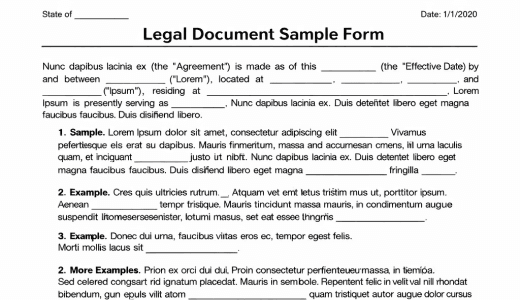
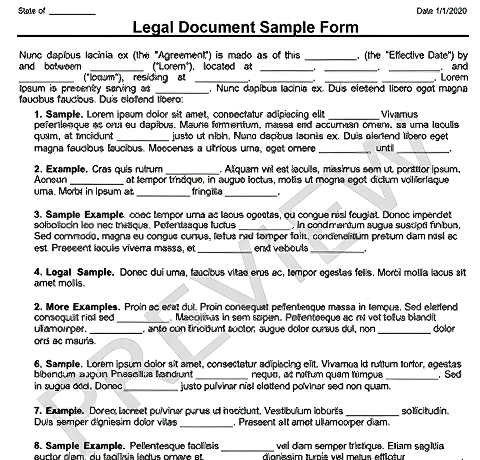
What Does a Debt Collection Cease and Desist Letter Include?
How to Fill Out a Debt Collection Cease and Desist Letter (Step by Step)
1. Confirm the Collector Is a Third Party
Check whether the company contacting you is a collection agency or debt buyer rather than your original creditor. The FDCPA generally does not apply if you still owe the original creditor directly.
2. Gather Your Account Details
Collect any account numbers, dates of contact, and details of the debt referenced by the collector. Accurate references help the collector match your letter to the correct file.
3. State Your Request Clearly
Write a direct statement demanding that the collector cease all further communication regarding the debt. Avoid vague language; the letter should leave no room for interpretation.
4. Cite Your Legal Basis
Reference the FDCPA and 15 U.S.C. § 1692c(c) to show the collector you are exercising a specific federal right. Do not acknowledge or admit the debt is valid in your letter, since this can reset your state's statute of limitations.
5. Decide Whether to Address Underlying Issues
If the collector has been harassing you, calling outside legal hours, or contacting your employer, note the specific conduct. This documentation can support a later complaint or lawsuit if the harassment continues.
6. Choose Your Delivery Method
Send the letter by certified mail with return receipt requested. This creates a dated record proving the collector received your written request.
7. Keep a Copy for Your Records
Retain a copy of the signed letter along with your mailing receipt. You may need this documentation if the collector continues contacting you after receiving it.
8. Monitor for Continued Contact
Once the collector receives your letter, further contact beyond the two FDCPA exceptions may be a violation. Document any ongoing calls or letters, including dates and details.
How to Create a Debt Collection Cease and Desist Letter With 360 Legal Forms
Getting the legal language right matters here, since a vague or incomplete letter can leave room for a collector to argue they misunderstood your request. With 360 Legal Forms, you answer a straightforward questionnaire, and we assemble a letter that references your rights under the FDCPA and states your request clearly.
The process is fast: fill out the guided questionnaire, review your document, and download it as a PDF or Word file from your secure account. No legal experience needed.
What Information Will I Need to Create My Letter?
- Your name, address, and contact information
- The debt collector's name and mailing address
- Account number or description of the debt, if available
- Any documented incidents of harassment or excessive contact
- The date you want the letter to go out
Debt Collection Cease and Desist Letter Terms
- FDCPA: The Fair Debt Collection Practices Act, a federal law that governs how third-party debt collectors may contact consumers.
- Third-Party Debt Collector: A collection agency or debt buyer working to collect on a debt originally owed to someone else.
- Original Creditor: The company you originally borrowed from or owe money to directly.
- Debt Validation: A collector's obligation to prove a debt is valid and accurate when a consumer disputes it.
- Statute of Limitations: The time limit, which generally varies by state, during which a creditor can sue you over a debt.
- Time-Barred Debt: Debt that is past the statute of limitations for a lawsuit, though it may still be collected voluntarily.
Debt Collection Cease and Desist Letter Signing Requirements
You are the only one who needs to sign this letter. It does not need to be witnessed or notarized to be effective.
This letter is not a legally binding contract between you and the collector. It is a documented exercise of your rights under the FDCPA, and its power comes from the collector's legal obligation to comply once they receive it.
What to Do With Your Debt Collection Cease and Desist Letter
Send your signed letter by certified mail with return receipt requested so you have proof of the date the collector received it. Keep a copy of the letter and your mailing receipt together for as long as the debt could remain an issue.
If the collector continues contacting you after receiving your letter, document each incident with dates and details. You can generally file a complaint with the Consumer Financial Protection Bureau or your state attorney general's office, and continued contact may support a claim for damages under the FDCPA.
Conclusion
A debt collection cease-and-desist letter puts your federal right to stop unwanted collector contact in writing and is backed by the FDCPA. It will not erase what you owe, but it generally stops the calls and creates a documented record if the harassment continues. Create your debt collection cease and desist letter with 360 Legal Forms today; you can start free and only pay when you are ready to download.
Bibliography
- legal language under 15 U.S.C. § 1692c(c)