

Key Takeaways 1. A property damage release form settles a property damage dispute outside of court once a payment has been agreed upon. 2. It generally covers vehicle accidents, rental damage, and neighbor or contractor disputes, but it is typically separate from a release covering personal injuries. 3. Most releases are final once signed, even if more damage is discovered later, so it is generally wise to confirm the full extent of the damage first. 4. In most states, an electronic signature carries the same legal weight as a handwritten one, so both parties can typically sign online. 5 360 Legal Forms helps you build a property damage release form through a guided questionnaire, then download it as a PDF or Word document.
What Is a Property Damage Release Form?
A property damage release form is an agreement between two parties that formally closes a dispute over damaged property in exchange for a payment or other consideration. Signing a release generally means giving up the right to pursue further legal action for the damage it covers. Applied to property damage, this means the party who caused the damage pays an agreed-upon amount, and the party who received payment gives up the right to seek more later.
This document typically covers situations such as a car accident that only damaged a vehicle or fence, a tenant's accidental damage to a rental unit, or a neighbor's tree falling onto a fence or shed. It generally does not address personal injuries, which usually call for a separate release.
Create your property damage release now.
Critical Distinction: Property Damage Release vs. a General Liability Waiver
A property damage release looks backward at damage that has already happened and a payment that has already been discussed. A general release, by comparison, often covers a broader range of past claims beyond just property, while a hold harmless agreement typically looks forward, protecting one party from claims tied to future activities, such as a rental property or a recreational event.
In short: a property damage release closes the book on damage that has already occurred and been paid for, while a liability waiver is generally signed before an activity even begins.
Other Names for a Property Damage Release Form
Depending on the state or the situation, this document may also be known as:
- Release of property damage claim
- Property damage waiver
- Property damage release of liability form
- Damage settlement and release agreement
360 Legal Forms automatically generates the version that fits your situation, no matter which name you searched for.
Property Damage Release Form Terms
- Releasor: the party giving up the right to make further claims for damages.
- Releasee: the party being released from future responsibility for the damage.
- Consideration: the payment or other value exchanged for signing the release.
- Non-admission of liability: language confirming the payment is a settlement, not an admission of fault.
- Scope of release: the specific damage and claims the agreement covers, and what it leaves out.
- Latent damage: damage that is not visible or known about at the time of signing.
Who Needs a Property Damage Release Form?
Several types of parties typically use this document once a settlement has been reached:
Drivers settling a claim privately, without involving an insurance company, generally want a signed release so the matter cannot resurface later. Landlords and tenants resolving damage to a rental unit, such as a broken appliance or a stained carpet, often use a release once the security deposit deduction or separate payment has been agreed upon. Neighbors settling a dispute over a fence, tree, or shared property line typically sign one once a repair payment has changed hands. Insurance companies also frequently require a signed release before issuing a payout, since it formally closes their exposure on the claim.
A release is generally not needed if no payment has changed hands yet or if the full extent of the damage is still being assessed. Signing too early, before repair estimates are final, can leave you without a way to ask for more if the cost turns out to be higher than expected.
What Does a Property Damage Release Form Include?
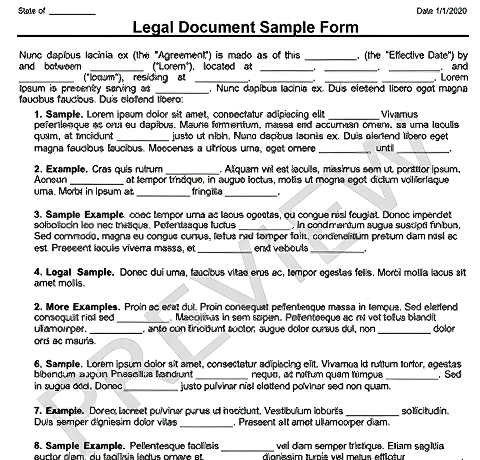
Most property damage release forms ask for the following information:
How to Fill Out a Property Damage Release Form (Step by Step)
Follow these steps to complete your release accurately, whether you fill it out manually or through our guided questionnaire.
1. Identify the Releasor and Releasee
Name each party and their role. The releasor is giving up the right to pursue further claims, and the releasee is the one being released from future responsibility.
2. Describe the Property and the Damage
Include the type of property, such as a vehicle, fence, or rental unit, along with a summary of the damage. Avoid language that admits fault, since that wording could be used against you later.
3. Confirm the Date and Location
Record exactly when and where the damage occurred. This detail anchors the agreement to a specific, verifiable event.
4. Gather Supporting Documentation
Photos of the damage, repair estimates, and any relevant correspondence can help support the terms of the agreement if questions come up later.
5. Record the Consideration
Write down the exact payment amount and confirm whether it covers the full cost of repairs or only a portion of them.
6. State the Scope of the Release
Clearly state which claims the releasor is giving up, and specify whether the release applies only to the property damage already identified or to the broader incident as well.
7. Add a Non-Admission-of-Liability Clause
This clause confirms that the payment is a settlement, not an admission of fault, thereby protecting the releasee if the agreement is referenced elsewhere.
8. Set the Governing Law
Name the state whose laws will govern the agreement. In some states, notarization may add an extra layer of verification, though it is not always required.
9. Collect Signatures
Both parties must sign for the release to take effect. A witness or notary signature is optional in most cases but can help prevent disputes about authenticity later.
Skip the guesswork. Build your release with 360 Legal Forms.
How to Create a Property Damage Release Form with 360 Legal Forms
Creating your release with 360 Legal Forms is straightforward. Answer a short, guided questionnaire about the damage and the parties involved, and your document is generated automatically. Once it is complete, download it instantly as a PDF or Word file from your secure account.
What Information Will I Need?
- Names and addresses of the releasor and releasee
- Date and location of the incident
- Description of the property and the damage involved
- Settlement or consideration amount
- The state whose laws should govern the agreement
Property Damage Release Form Signing Requirements
In most cases, both the releasor and the releasee must sign the document for it to take effect. Notarization may be required in some states, so it is worth checking your state's requirements before finalizing the agreement.
Most states, plus the District of Columbia, have adopted the Uniform Electronic Transactions Act (UETA), a state-level law that gives electronic signatures the same legal standing as handwritten ones for most agreements. At the federal level, the Electronic Signatures in Global and National Commerce Act confirms that a signature or contract may not be denied legal effect, validity, or enforceability solely because it is in electronic form. 360 Legal Forms includes a built-in e-signature feature, so both parties can typically sign online without printing anything.
Create and sign your release online today.
What to Do With Your Property Damage Release Form
Once your release is signed, print or save copies for both parties' records. If an insurance company, landlord, or property manager is involved, send them a copy so they can close out the matter on their end.
Keep your copy somewhere secure in case questions come up later. It is also a good idea to have an attorney review the agreement before signing, especially if the damage amount is significant or the full cost is still uncertain.
Why Use 360 Legal Forms for Your Property Damage Release Form?
Customized for you, by you
Create your own document by answering an easy-to-understand questionnaire to get exactly what you need out of your property damage release form.
Right for your state
Each document on 360 Legal Forms is built to reflect general legal norms across the United States and can be customized to fit your situation as per state.
Fast and easy
All you have to do is fill out a straightforward questionnaire, print it, and sign it. No printer? No worries. You and the other party can even sign online.
360 Legal Forms is rated 4.9 out of 5 on Trustpilot, reflecting consistently positive feedback on ease of use and customer support across our document library.
Conclusion
A property damage release form provides both parties with a clear, documented way to resolve a property dispute without going to court. Whether you are the one being compensated or the one making the payment, having the terms in writing protects you from disputes down the road. In situations where the damage happened before any settlement was discussed, a demand letter is often the right first step toward reaching that settlement, and a release is what formally closes the matter once an agreement is reached.
If your dispute involves a rental property, a rental inspection checklist can also help document the condition of a unit before damage becomes a disagreement in the first place.
Build your free-to-start property damage release form in minutes with 360 Legal Forms, you only pay applicable state filing or notarization fees if your situation requires them.