

Key Takeaways - A room rental agreement covers renting a single private room in a shared home, not an entire unit. - It is generally different from a Roommate Agreement and a Sublease Agreement, though people often confuse the three. - Landlords, principal tenants who sublet a room, and roommates formalizing a shared lease all generally need one. - It should spell out rent, shared spaces, house rules, and who handles cleaning and repairs, not only the basic lease terms. - 360 Legal Forms builds your room rental agreement state by state with instant Word or PDF download.
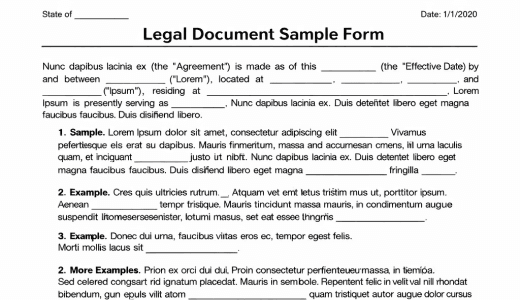
A room rental agreement is a legal form that sets the terms for renting one private room inside a larger home, apartment, or house while sharing common areas with others. Whether you're a homeowner renting a spare bedroom, a principal tenant bringing in a roommate, or a tenant moving into shared housing, this form protects everyone's rent, privacy, and house rules in writing.
What Is a Room Rental Agreement?
Unlike a standard residential lease, which covers an entire unit and is signed with a single tenant or group of co-tenants holding equal rights, a room rental agreement carves out one private room for a single tenant inside a property someone else already occupies or manages. The tenant typically gets exclusive use of that one room, while everything else, such as the kitchen, bathroom, or living room, remains shared.
That shared-space structure is what generally sets the terms apart from a typical lease: rent is often lower to reflect partial use of the property, and the agreement usually spells out house rules for common areas that a full-unit lease would not need to address. The agreement can sit between a landlord and tenant directly, or between a principal tenant who holds the original lease and a new occupant they are bringing in.
Room Rental Agreement vs. Roommate Agreement vs. Sublease Agreement
These three documents are often confused, but they serve different purposes. A room rental agreement is generally between a landlord (or principal tenant) and a new occupant and sets legally enforceable rent and occupancy terms. A Roommate Agreement is generally a peer-to-peer document between people who are already co-tenants and mainly covers day-to-day chores, shared bills, and house rules rather than the landlord-tenant relationship itself.
A Sublease Agreement applies when an existing tenant wants to hand off some or all of their unit to a new occupant for a period of time, and it typically requires the landlord's written permission first. If you are unsure which one fits your situation, 360 Legal Forms can help you find the right form for your state.
Other Names for a Room Rental Agreement
Depending on your state and living situation, a room rental agreement may also be known as:
- Room Lease Agreement
- Room Rental Contract
- Shared Housing Agreement
- Room Lease Form
- Boarder Agreement
360 Legal Forms will help you generate the correct form for your state with our attorney-vetted templates.
Who Needs a Room Rental Agreement?
A room rental agreement is generally recommended any time someone rents a private room in a shared property. This includes:
- Homeowners renting a spare bedroom in their primary residence, often to a single tenant or student
- Principal tenants who hold the original lease and want to bring in a roommate to share rent and expenses
- Property owners renting out individual rooms across a shared house, such as a boarding house or co-living setup
- Tenants moving into an existing household who want rent, house rules, and shared spaces documented in writing
A room rental agreement is generally not required when two or more people sign the original lease together as co-tenants with equal rights and responsibilities, since that relationship is already covered by the primary lease. In that case, a Roommate Agreement is often the better fit for dividing day-to-day responsibilities.
What Does a Room Rental Agreement Include?
How to Fill Out a Room Rental Agreement (Step by Step)
1. Identify the Parties
List the full legal name and contact information of the landlord or principal tenant offering the room, along with the full legal name of the tenant renting it. Correct names help ensure rent obligations are clearly assigned.
2. Describe the Property and the Room
Include the property address and describe the specific room being rented. Note any exclusions, such as a locked closet or off-limits office, that are not part of the tenant's private space.
3. Define Shared Spaces
List which common areas the tenant may use, such as the kitchen, living room, bathroom, or laundry room. Being specific here helps prevent disputes about access later.
4. Set the Rent Amount and Due Date
State the monthly rent, the due date, and how payment should be made. Include any late fee terms if they apply in your state.
5. Address the Security Deposit
Note the deposit amount and the conditions under which it will be returned. Some states cap security deposits or require them to be held in a separate account, so check your state's requirements before finalizing this section.
6. Split Utilities and Shared Costs
Specify which utilities are included in rent and how any remaining shared bills, such as internet or trash service, will be divided among occupants.
7. Add House Rules
Cover guest policies, quiet hours, smoking or pet rules, and cleaning responsibilities for shared spaces. Clear house rules generally reduce day-to-day conflict between occupants.
8. Set the Term and Termination Notice
Choose whether the agreement runs month-to-month or for a fixed term, and state how much written notice either party must give to end it.
9. Review Signing Requirements
Confirm who needs to sign, including any guarantor. In many states, notarization is not required for a room rental agreement to be enforceable, but check your state's requirements if you want extra assurance.
10. Sign and Distribute Copies
Once both parties sign, each should keep a copy for their records. 360 Legal Forms includes built-in e-signature so all parties can sign online.
How to Create a Room Rental Agreement with 360 Legal Forms
Making sure your room rental agreement addresses shared spaces and house rules, not only basic rent terms, is what protects everyone once move-in day arrives. With 360 Legal Forms, you answer a straightforward questionnaire and we assemble a room rental agreement built for your state and your living arrangement.
The process is fast: fill out the guided questionnaire, review your document, and download it as a PDF or Word file from your secure account. No legal experience needed.
What Information Will I Need to Create My Room Rental Agreement?
- Landlord or principal tenant name and contact information
- Room tenant name and contact information
- Property address and description of the specific room
- Shared spaces the tenant may access
- Monthly rent amount and due date
- Security deposit amount
- Utility and shared-cost arrangements
- House rules for guests, noise, cleaning, and pets
- Lease term and termination notice period
Room Rental Agreement Terms
- Principal Tenant: The person who holds the original lease and is offering a room to another occupant.
- Subtenant: A person renting a room from a principal tenant rather than directly from the property owner.
- Common Areas: Shared spaces, such as the kitchen or bathroom, that all occupants may use.
- Prorated Rent: Rent adjusted to cover only the days a tenant actually occupies the room in a given period.
- House Rules: Written expectations covering guests, noise, cleaning, and shared-space etiquette.
- Guarantor: A person who agrees to cover rent if the tenant cannot or does not pay.
Room Rental Agreement Signing Requirements
To be valid, a room rental agreement generally needs to be signed by the landlord or principal tenant and the room tenant. If a guarantor is involved, they should also sign.
In most cases, notarization is not required for a room rental agreement to be legally enforceable once signed. If the property was built before 1978, federal law generally requires a lead-based paint disclosure to be included with the agreement.
What to Do With Your Room Rental Agreement
Once signed, both parties should keep a copy for their records for the full length of the tenancy. Tenants should hold onto their copy until they have moved out and received any security deposit back.
Before the tenant moves in, walking through the property together with a rental inspection checklist helps document the room's condition and avoid disputes over damage later. Landlords and principal tenants should also review house rules with the new tenant in person, even though they are already in writing.
Conclusion
A room rental agreement gives landlords, principal tenants, and new occupants a clear, written record of rent, shared spaces, and house rules before move-in day. It protects everyone involved and helps prevent the kind of disputes that come from relying on a verbal understanding alone. Create your room rental agreement with 360 Legal Forms today; you can start free and only pay when you are ready to download.
Bibliography
- U.S. Department of Housing and Urban Development, Fair Housing Act Overview